
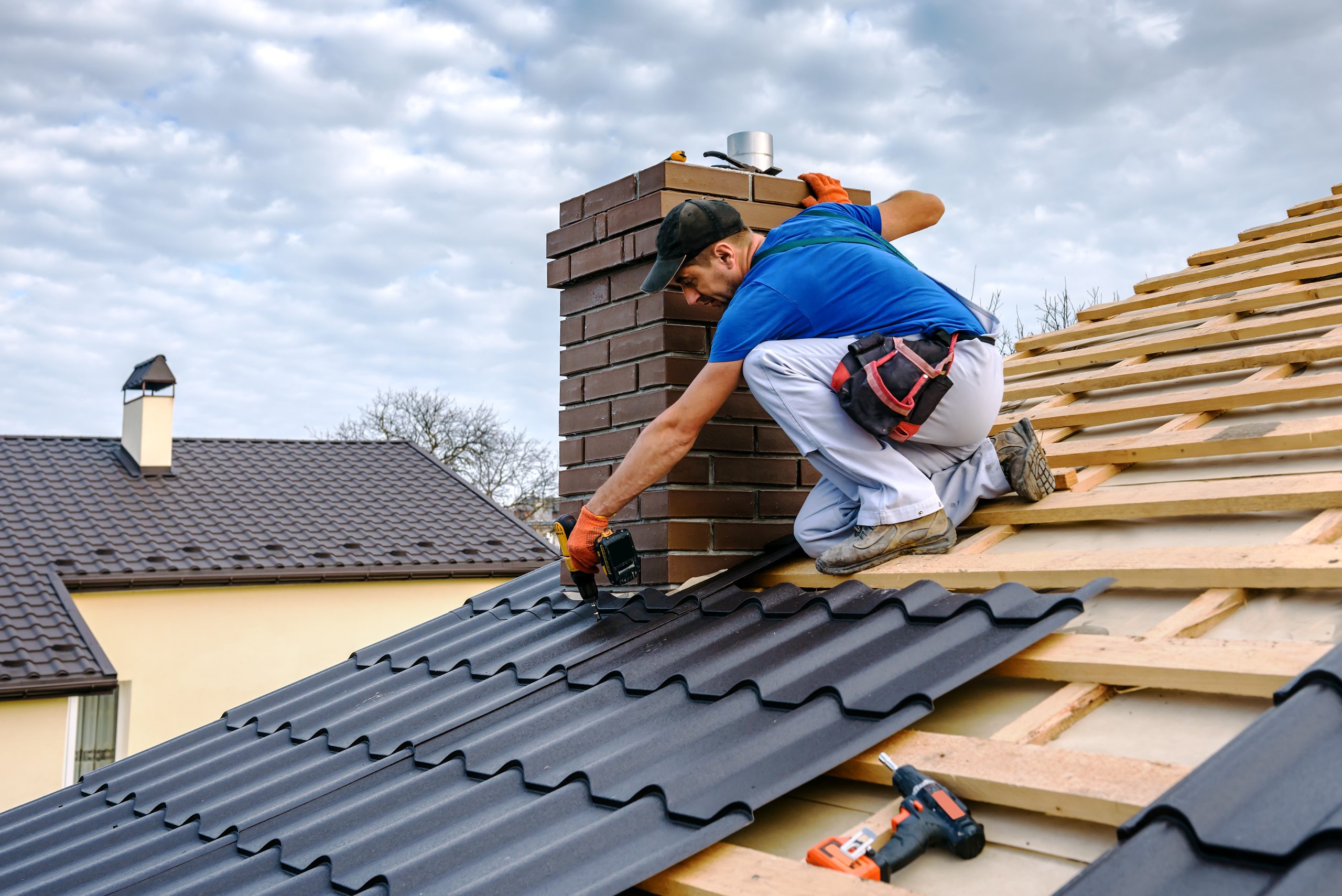
Your roof is one of the most critical components of your home, protecting everything beneath it from the elements. Yet it’s easy to take it for granted—until something goes wrong. By the time many homeowners notice obvious problems like water dripping from the ceiling, significant damage has often already occurred, leading to costly repairs that could have been prevented with earlier intervention.
Learning to recognize the early warning signs of roof damage can save you thousands of dollars and protect your home from serious structural issues. Here are the key indicators that your roof needs professional attention.
Water Stains on Ceilings and Walls
One of the most obvious signs of roof trouble is water staining on your interior ceilings or walls. These stains typically appear as discolored patches, often brown or yellowish, and may be accompanied by peeling paint or bubbling texture.
Water stains indicate that moisture is penetrating your roof and finding its way into your home’s interior. Even small stains shouldn’t be ignored—they often point to larger problems developing above. The water you see inside has likely traveled along rafters or through insulation before becoming visible, meaning the actual leak point could be far from where the stain appears.
If you notice water stains, especially after heavy rain or snow, contact a roofing professional immediately. What starts as a small leak can quickly escalate into rotted decking, damaged insulation, and even mold growth within your walls.
Missing, Cracked, or Curling Shingles
Take a walk around your property and look up at your roof. Are all the shingles intact and lying flat? Missing shingles are an obvious red flag, but subtle damage can be just as concerning.
Shingles that are curling at the edges, cracking down the middle, or showing signs of significant wear have reached the end of their useful life. Curling occurs when shingles lose their flexibility due to age and weather exposure, making them vulnerable to wind damage and water infiltration.
Check your yard and gutters after storms. If you’re finding granules or pieces of shingles on the ground, your roof is literally falling apart bit by bit. Asphalt shingles naturally lose some granules over time, but excessive granule loss accelerates deterioration and leaves your roof vulnerable to UV damage and water penetration.
Even a few damaged shingles can compromise your roof’s integrity. Wind can get underneath compromised shingles and cause further damage, while exposed areas allow water to seep beneath the roofing material and damage the underlayment and decking.
Sagging Roof Deck
A sagging roof deck is a serious structural issue that requires immediate attention. If you notice areas of your roof that appear to dip or sag, this indicates that the underlying structure has been compromised, often due to prolonged water exposure.
The sagging might be visible from the ground, or you might notice it from inside your attic, where rafters or decking appear to bow downward. This problem won’t resolve itself—it will only worsen over time and could eventually lead to roof collapse if left unaddressed.
Sagging can result from several issues: inadequate initial construction, too many layers of roofing material, water damage weakening the wood structure, or the natural settling of an aging home. Regardless of the cause, sagging requires professional evaluation and often extensive repair work.
Never ignore a sagging roof. This isn’t a cosmetic issue—it’s a safety hazard that threatens your home’s structural integrity and the safety of everyone inside.
Granules in Gutters and Downspouts
When cleaning your gutters, pay attention to what you’re removing. If you notice an excessive amount of granules—the gritty, sand-like particles that coat asphalt shingles—this indicates your shingles are deteriorating.
New roofs shed some granules initially, but an established roof shouldn’t be losing significant amounts. Heavy granule loss means your shingles are losing their protective coating, which shields them from UV rays and water damage. Once this protective layer is gone, shingles deteriorate rapidly.
Check the areas around downspout outlets as well. If you see piles of granules accumulating where water exits your downspouts, your roof is sending you a clear message that it’s wearing out.
Granule loss accelerates after severe weather events, so inspect your gutters following major storms. If you find an unusual amount of granules, have your roof inspected even if you don’t see other obvious damage.
Daylight Through the Roof Boards
Head up to your attic during the daytime and turn off any lights. Look up at the underside of your roof. Can you see pinpoints of daylight shining through? If so, you have holes in your roof that need immediate attention.
Anywhere light can enter, water can follow. These small openings might seem insignificant, but they allow moisture to penetrate your home continuously. Over time, this leads to rotted roof decking, wet insulation, and potential mold growth.
While you’re in the attic, check the underside of the roof for water stains, dark spots, or streaking. Feel the insulation for dampness. These signs indicate water infiltration, even if you haven’t noticed problems in your living spaces yet.
Regular attic inspections, especially after severe weather, help you catch roof problems before they cause extensive interior damage.
Increased Energy Bills
An unexpected spike in your heating or cooling costs might indicate roof problems. If your roof’s insulation has become compromised due to water damage or if gaps have developed in your roofing system, your HVAC system has to work harder to maintain comfortable temperatures.
Damaged or aging roofs often develop small gaps and openings that allow conditioned air to escape and outside air to enter. This creates an inefficient thermal envelope, forcing your heating and cooling systems to run longer and more frequently.
While many factors can affect energy bills, if you’ve noticed a steady increase without explanation and your roof is approaching the end of its expected lifespan, the two issues might be connected. A professional energy audit or roof inspection can identify whether your roof is contributing to energy waste.
Moss, Algae, or Fungus Growth
While moss or algae growing on your roof might initially seem like just a cosmetic issue, it actually signals conditions that can damage roofing materials over time. Moss retains moisture against the roof surface, and as it grows, it can work its way under shingles, lifting them and allowing water infiltration.
Algae appears as dark streaks or stains on your roof and thrives in humid climates. While it doesn’t damage shingles directly, it indicates moisture retention that can accelerate deterioration. Fungal growth often appears in areas with poor drainage or inadequate ventilation.
These biological growths are more than unsightly—they’re indicators that your roof is retaining moisture in ways it shouldn’t. Professional roofing and siding services can assess whether the growth has caused damage and recommend appropriate cleaning or treatment methods.
Prevention is key: ensure your roof has adequate ventilation, trim overhanging tree branches that create shade and drop debris, and address drainage issues promptly.
Damaged or Missing Flashing
Flashing is the metal material installed around chimneys, vents, skylights, and other roof penetrations to create a watertight seal. Damaged, corroded, or missing flashing is a common source of roof leaks.
Inspect visible flashing from the ground or safely from a ladder. Look for rust, cracks, or sections that appear bent or have pulled away from the roof or chimney. These compromised areas allow water to seep into your home around roof penetrations.
Flashing problems often develop before shingle failure, especially on newer roofs. Poor initial installation, extreme weather, or normal expansion and contraction can cause flashing to fail. Addressing flashing issues promptly prevents water damage to your home’s interior and roof structure.
Don’t Wait Until It’s Too Late
Your roof protects your most valuable investment—your home. Ignoring warning signs of damage leads to increasingly expensive repairs and potential structural problems that affect your entire house.
If you’ve noticed any of these warning signs, don’t delay. Our experienced roofing professionals can thoroughly inspect your roof, identify all issues, and provide honest recommendations for repair or replacement. We offer comprehensive assessments that give you a clear understanding of your roof’s condition and what steps are needed to protect your home.
Contact us today to schedule your roof inspection. Early intervention saves money, prevents extensive damage, and gives you peace of mind knowing your home is properly protected from the elements. Let our team help you maintain a safe, secure roof over your head for years to come.
Frequently Asked Questions
How often should I have my roof inspected?
Most roofing professionals recommend annual inspections, ideally in the spring or fall. Additionally, have your roof inspected after severe weather events like hailstorms, high winds, or heavy snow. Regular inspections catch minor issues before they become major problems.
Can I inspect my roof myself?
While you can observe your roof from the ground and check your attic for signs of damage, climbing on your roof is dangerous without proper equipment and training. Professional inspectors have the experience to identify subtle problems you might miss and can safely access all areas of your roof.
How long does a typical roof repair take?
The timeline depends on the extent of damage. Minor repairs like replacing a few shingles might take just a few hours, while more extensive work could require several days. Your roofing contractor will provide a timeline estimate after assessing the damage.
Should I repair or replace my roof?
This depends on several factors: the extent of damage, the roof’s age, how many previous repairs have been made, and your long-term plans for the home. If your roof is near the end of its expected lifespan and requires significant repairs, replacement often makes more financial sense than repeatedly patching an aging roof.
Will my homeowner’s insurance cover roof repairs?
Coverage depends on your policy and what caused the damage. Storm damage, fallen trees, and sudden accidents are typically covered, while damage from lack of maintenance usually isn’t. Document all damage with photos and contact your insurance company promptly after discovering problems.