
Your commercial roof is one of the most critical components of your building. It shields your inventory, equipment, employees, and customers from the elements every single day. Yet roofing is one of those investments that often get overlooked—until something goes wrong. Understanding your commercial roofing options and staying ahead of potential problems can save your business from costly disruptions and unexpected downtime.
Why Commercial Roofing Deserves More Attention Than You Think
Most business owners focus on the interior of their buildings—the layout, the equipment, and the systems that keep daily operations running smoothly. The roof, however, quietly does some of the heaviest lifting of any part of your structure.
A compromised roof doesn’t just cause leaks. It can lead to damaged inventory, mold growth, structural deterioration, and even liability issues if the conditions inside your building become unsafe. The longer a roofing problem goes unaddressed, the more expensive and complex the repair becomes.
Investing in the right commercial roofing solution from the start and maintaining it properly over time is one of the smartest decisions a business owner or property manager can make.
Common Commercial Roofing Systems and What They Offer
Not all commercial roofs are built the same. The best roofing system for your building depends on a range of factors, including the structure of your building, your local climate, your budget, and how long you plan to own or operate the property.
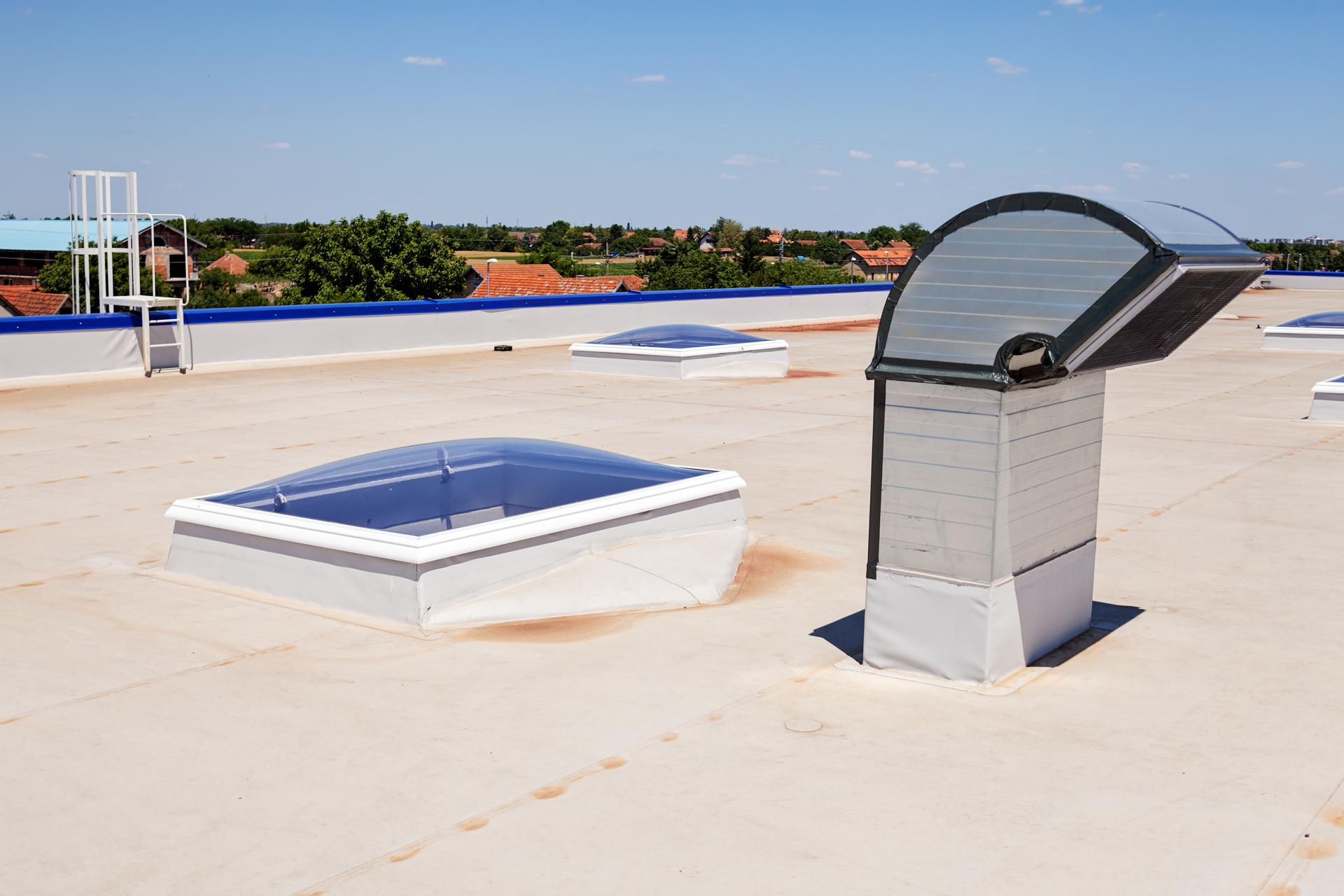
- Flat and Low-Slope Roofing Many commercial buildings feature flat or low-slope roofs, which require specialized materials and installation techniques. These systems are popular because they make efficient use of space — allowing for HVAC units, solar panels, or rooftop amenities — and are generally easier to inspect and maintain than steeply pitched roofs.
- Single-Ply Membrane Roofing Single-ply systems are among the most widely used solutions in commercial roofing today. They are lightweight, flexible, and designed to handle thermal movement, which means they expand and contract with temperature changes without cracking or splitting. These systems are also known for their resistance to UV rays and harsh weather conditions.
- Metal Roofing Metal roofing has become increasingly popular for commercial properties because of its durability and longevity. A well-installed metal roof can last for decades with minimal maintenance. It is also highly resistant to fire, wind, and impact damage, making it a strong choice for businesses in storm-prone regions.
- Built-Up Roofing (BUR) Built-up roofing systems have been used on commercial buildings for well over a century. They consist of multiple layers of reinforcing materials and bitumen, creating a thick, durable surface. BUR systems offer excellent waterproofing and insulation properties and are a reliable choice for buildings that require a proven, time-tested solution.
- Spray Polyurethane Foam (SPF) Roofing SPF roofing involves applying a foam material that expands to fill gaps and create a seamless, insulating layer across the entire roof surface. It is particularly effective for buildings with irregular shapes or existing roofs that need an added layer of protection without a full tear-off and replacement.
The Importance of Roof Maintenance for Commercial Properties
Even the highest-quality roofing system requires regular attention to perform at its best. Routine maintenance is the most cost-effective way to extend the life of your roof and prevent small issues from escalating into major problems.
A proper commercial roof maintenance program typically includes scheduled inspections, cleaning of drains and gutters, checking for membrane damage or lifted seams, and addressing any ponding water that can accelerate wear. After major weather events — heavy rain, high winds, or hail — a post-storm inspection is strongly recommended to identify and address damage before it spreads.
Business owners who invest in preventive maintenance consistently spend far less over the lifetime of their roof than those who wait for visible problems to appear before taking action.
Signs Your Commercial Roof Needs Professional Attention
Knowing when to call for help is just as important as knowing what solutions are available. There are several warning signs that indicate your commercial roof may need immediate inspection or repair.
- Visible water stains or leaks inside your building are an obvious indicator that your roof has been compromised somewhere.
- Blistering, bubbling, or cracking on the roof surface suggests the membrane or top layer is deteriorating.
- Sagging or uneven areas may indicate structural issues beneath the surface that need urgent attention.
- Increased energy bills can sometimes signal that your roof’s insulation is failing, causing your HVAC system to work harder than necessary.
- Standing water that remains on your roof for extended periods after rain can accelerate deterioration and add unnecessary weight to your structure.
If you notice any of these signs, reaching out to a qualified commercial roofing contractor sooner rather than later can make the difference between a simple repair and a full replacement.
Choosing the Right Solution for Your Business
Selecting the right roofing system is not a one-size-fits-all decision. The best approach is to have a thorough evaluation of your current roof, your building’s specific needs, and your long-term goals before committing to any solution.
Consider the age of your existing roof. If it is nearing the end of its expected lifespan, a full replacement may be more economical in the long run than continued repairs. On the other hand, if the underlying structure is sound and only certain areas are showing wear, a targeted repair or restoration system might extend its life significantly.
Also consider your building’s energy performance goals. Many modern roofing systems offer improved insulation values and reflective surfaces that can meaningfully reduce cooling costs — a benefit that pays for itself over time.
Take the Next Step to Protect Your Property
Your roof works around the clock to protect everything inside your building. Don’t wait for a leak or visible damage to start thinking about its condition. Whether you’re dealing with an aging system, recent storm damage, or simply want peace of mind going into the next season, a professional roof evaluation is the best place to start.
Reach out to our local roofing professional to schedule an inspection and discuss which solution best fits your building, your budget, and your business goals. A trusted roofing team will walk you through your options honestly and help you make a decision that protects your property for years to come.
Frequently Asked Questions About Commercial Roofing Solutions
How often should a commercial roof be inspected?
Most roofing professionals recommend inspections at least twice a year, typically in the spring and fall, as well as after any major weather event.
How do I know if my roof needs repair or full replacement?
A professional inspection will assess the extent of the damage, the age of the system, and the condition of the underlying structure to help determine the most cost-effective path forward.
How long do commercial roofing systems typically last?
Lifespan varies depending on the type of system, the quality of installation, and how well it is maintained. Regular maintenance is the single biggest factor in maximizing the life of any commercial roof.
Can a new roofing system be installed over an existing one?
In some cases, yes. Certain restoration systems can be applied directly over existing roofs, eliminating the cost and disruption of a full tear-off. A professional evaluation will determine whether your roof is a good candidate for this approach.
Will a new roof improve my building’s energy efficiency?
Many modern commercial roofing systems are designed with energy performance in mind. Reflective membranes and improved insulation can reduce heat absorption and lower cooling costs, making a new roof a smart long-term investment.