
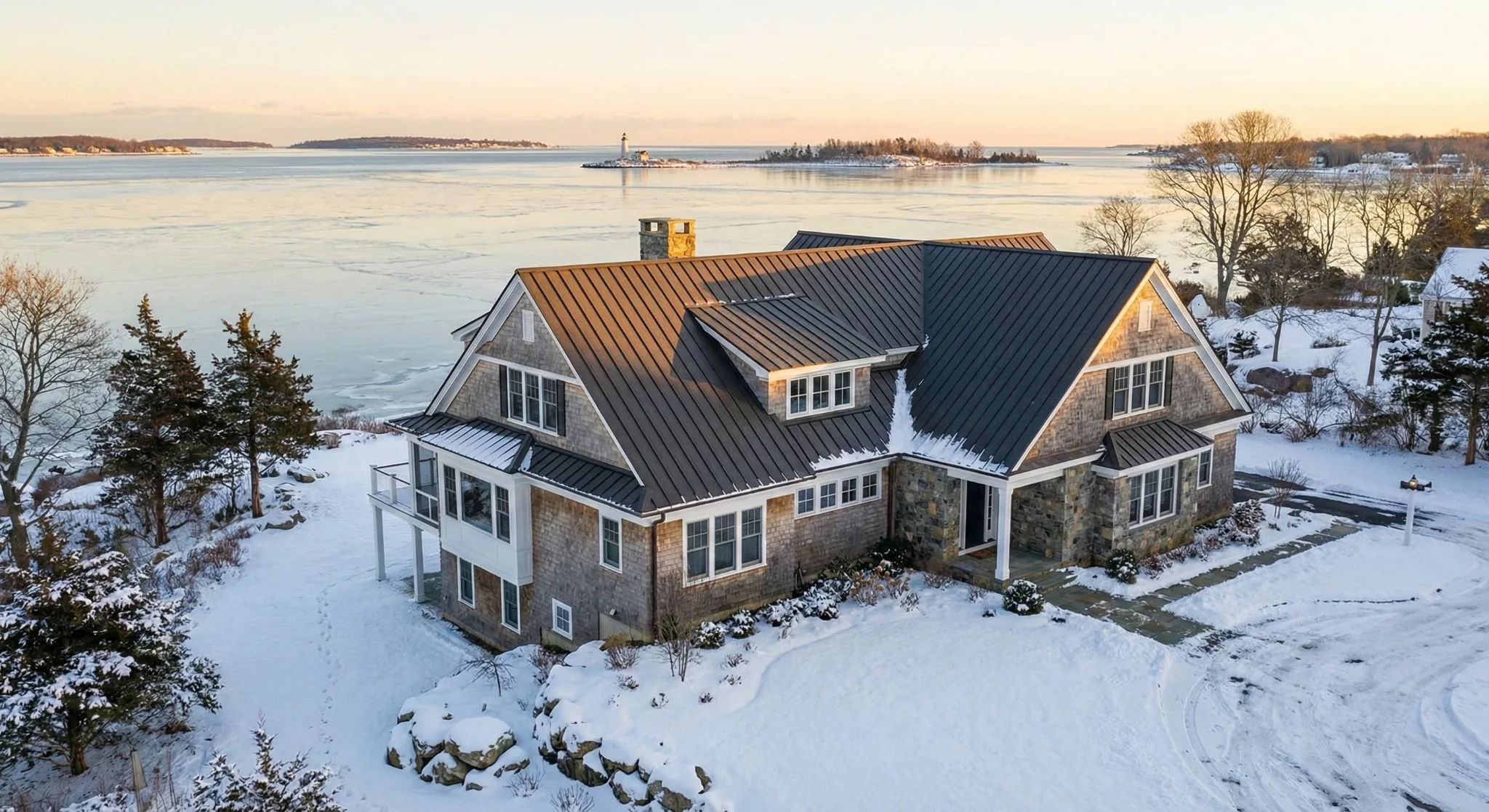
Replacing a roof in Connecticut is rarely a simple square-foot calculation. A home in Southbury, Ridgefield, Fairfield, or West Hartford may all need a new roof for different reasons: aging shingles, storm damage, persistent leaks, ventilation problems, flashing failure, or deteriorated roof decking hidden below the surface. The right budget depends on the roof system you choose, the complexity of the structure, and how much code-related work has to happen once the old materials come off.
This guide breaks down what Connecticut homeowners should expect from a roof replacement project in 2026, including realistic cost ranges, the biggest pricing variables, how long the work usually takes, and when it makes sense to repair versus replace. If you are comparing proposals, planning ahead, or trying to make sense of insurance and financing, this is the framework to use before you sign a contract.
Connecticut Roof Replacement Cost at a Glance
- Most Connecticut asphalt shingle roof replacements for a typical single-family home land in the $9,000 to $18,000 range.
- Premium designer shingles, larger homes, or complex rooflines often move projects into the $16,000 to $28,000 range.
- Standing seam metal roof replacements commonly start around $22,000 and can climb to $45,000+ depending on size, metal type, trim details, and jobsite complexity.
- Composite or synthetic slate systems usually begin around $24,000 and can reach $50,000+ on larger or architecturally detailed homes.
- Rotten decking, steep slopes, skylights, chimney work, gutter upgrades, and ventilation corrections can materially change the final number after tear-off.
| Roof Type | Typical Connecticut Range | Best Fit |
|---|---|---|
| Architectural asphalt shingles | $9,000 – $18,000 | Most residential homes seeking value and reliable performance |
| Premium / designer shingles | $16,000 – $28,000 | Homes that need stronger curb appeal and upgraded lifespan |
| Standing seam metal | $22,000 – $45,000+ | Homeowners prioritizing longevity, snow shedding, and modern aesthetics |
| Synthetic slate / composite | $24,000 – $50,000+ | Homes seeking a slate look without the weight of natural stone |
These are planning ranges, not one-size-fits-all quotes. The fastest way to narrow the number is to have the roof measured in person and inspected for hidden damage, flashing issues, attic ventilation problems, and penetrations that need custom detail work.
What Drives Roof Replacement Cost in Connecticut?
The price of a new roof is shaped by much more than material selection. In Connecticut especially, weather exposure and older housing stock create a few cost drivers that show up again and again.
1. Roof size and shape
A simple ranch with broad, open roof planes is far less labor-intensive than a colonial or custom home with dormers, valleys, intersecting rooflines, and multiple elevations. More cuts, more flashing, and more transitions mean more labor and more waste.
2. Tear-off condition and hidden wood damage
Once the old shingles come off, damaged decking or moisture-softened sheathing may have to be replaced before the new system can go on. That is especially common around chimneys, skylights, valleys, and roof edges that have been leaking for a while.
3. Material and system design
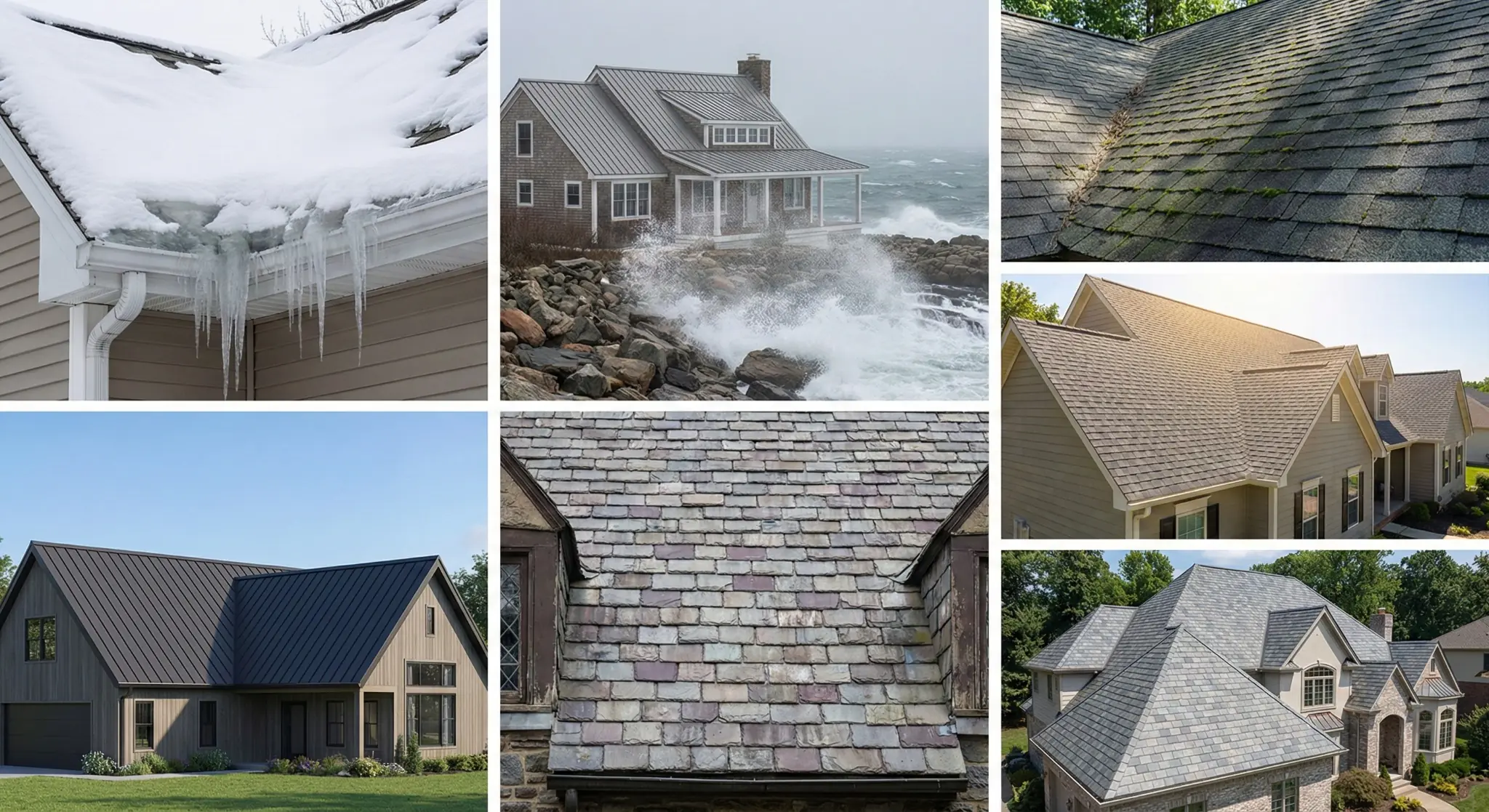
Architectural shingles remain the most economical replacement path for many Connecticut homeowners, but premium shingles, metal systems, and synthetic slate all carry higher material and trim costs. Upgrades such as ice-and-water shield coverage, premium underlayment, ridge vent improvements, or custom metal flashing can also change the scope.
4. Pitch, access, and safety requirements
Steep roofs take longer to install and usually require more staging, harnessing, and jobsite protection. Tight driveways, landscaping constraints, detached garages, and limited dumpster placement can all increase labor time and cleanup logistics.
5. Ventilation, flashing, gutters, and trim
A good roof replacement is not just shingles or panels. Ridge vents, intake ventilation, chimney flashing, pipe boots, step flashing, counter flashing, drip edge, and gutter tie-ins all matter. If these details are ignored, a cheaper bid can become a more expensive problem later.
How Long Does Roof Replacement Take?
Most asphalt roof replacements on straightforward Connecticut homes are completed in one to three working days once materials are on site and weather cooperates. Larger homes, steep roofs, synthetic systems, or homes with repairs to decking and trim can run longer. Metal and composite roof projects often take more time because the detail work is more exacting.
- Inspection and proposal: usually within a few days of the first call
- Material ordering and scheduling: often one to three weeks depending on product and season
- Tear-off and installation: one to three days for many asphalt projects
- Complex installs or repair-heavy jobs: several days to a full week
- Weather delays: rain, high winds, or winter conditions can shift the schedule
Spring through fall is the busiest roofing window in Connecticut, so homeowners who know a replacement is coming should start planning before leaks become emergencies.
Permits, Code Requirements, and Local Connecticut Considerations
Roofing permit requirements vary by municipality, but many Connecticut towns require permits for full replacements. Older homes may also need closer attention to ventilation, flashing transitions, and structural condition once the roof is opened up. A quality contractor should help you understand what your town requires and what code-driven upgrades may be necessary.
- Ice-and-water barrier protection is a critical part of Connecticut roofing assemblies because of snow load and freeze-thaw conditions.
- Ventilation should be evaluated as part of replacement, not treated as an afterthought.
- Flashing details around chimneys, sidewalls, and roof penetrations matter just as much as the field shingles.
- Historic homes and architecturally sensitive neighborhoods may need more thoughtful material selection.
If you are trying to compare proposals, ask whether the estimate includes permit coordination, tear-off disposal, underlayment, ventilation improvements, and decking replacement allowances. Those details make apples-to-apples comparisons much easier.
Repair or Full Replacement?
Not every roof problem means full replacement, but there are a few signs that usually point in that direction:
- Leaks show up in multiple areas, not just one isolated detail
- Shingles are curling, brittle, slipping, or losing significant granules
- The roof is near the end of its service life and repairs keep stacking up
- Storm damage affected multiple slopes or exposed underlying materials
- Past repairs have turned into a patchwork of mismatched fixes
If your roof is still structurally sound and the issue is limited to a localized problem, a targeted repair may buy more time. If the system is broadly failing, replacement is usually the more economical long-term decision. Ellis Builders offers both roofing services and on-site evaluations to help homeowners make that call with real information.
Best Roof Systems for Connecticut Homes
Material choice should reflect budget, architecture, maintenance expectations, and your propertyâs weather exposure.
- Architectural asphalt shingles: the practical fit for many homes that need dependable performance and balanced cost.
- Standing seam metal: strong long-term value for homeowners who want durability, snow shedding, and a premium look.
- Synthetic slate: ideal when curb appeal matters and you want a slate-style appearance without the structural load of natural stone.
If you are still deciding which direction makes sense, this companion article on the best roofing materials for Connecticut weather is a helpful next read.
Budgeting, Financing, and Insurance
A roof replacement usually becomes urgent before it becomes convenient. That is why homeowners often need to look at financing, insurance documentation, or phased exterior planning when the time comes. If storm damage is involved, detailed photos and a contractor inspection can help clarify the real scope before you talk numbers. If the roof is aging out naturally, financing can help spread the project over a more manageable timeline.
Ellis Builders also offers a dedicated financing page so homeowners can explore options before the job starts. That conversation is easier when you already know the likely material tier and whether any hidden repairs are probable.
Serving Homeowners Across Connecticut
Ellis Builders works with homeowners across Connecticut, including Southbury and surrounding communities throughout New Haven, Fairfield, and Litchfield County. If you want a local starting point, you can also visit the companyâs Southbury roofing page or browse broader service areas.
Frequently Asked Questions
How much does a new roof cost in Connecticut?
Many Connecticut homeowners planning for an asphalt shingle replacement fall somewhere between $9,000 and $18,000, while larger or more premium systems can move well beyond that range.
How long does roof replacement take?
Many straightforward asphalt jobs are completed in one to three working days, but larger homes, weather delays, and repair-heavy projects can take longer.
Does homeowners insurance cover roof replacement?
Insurance may help when the loss is tied to covered storm damage, but age-related wear and neglected maintenance are usually handled differently. Documentation matters.
Should I replace my gutters when I replace my roof?
Not always, but it is smart to evaluate gutters, drip edge, and drainage details at the same time so the full exterior system works together.
What roofing material lasts longest?
Metal and slate-style systems typically outlast standard asphalt shingles, but the best choice depends on budget, architecture, and how long you plan to stay in the home.
Who should I call for a roof inspection in Connecticut?
Ellis Builders can inspect the roof, explain whether repair or replacement makes more sense, and help homeowners build a realistic plan before the next leak turns urgent. Call (860) 499-4970 or use the contact page to get started.