
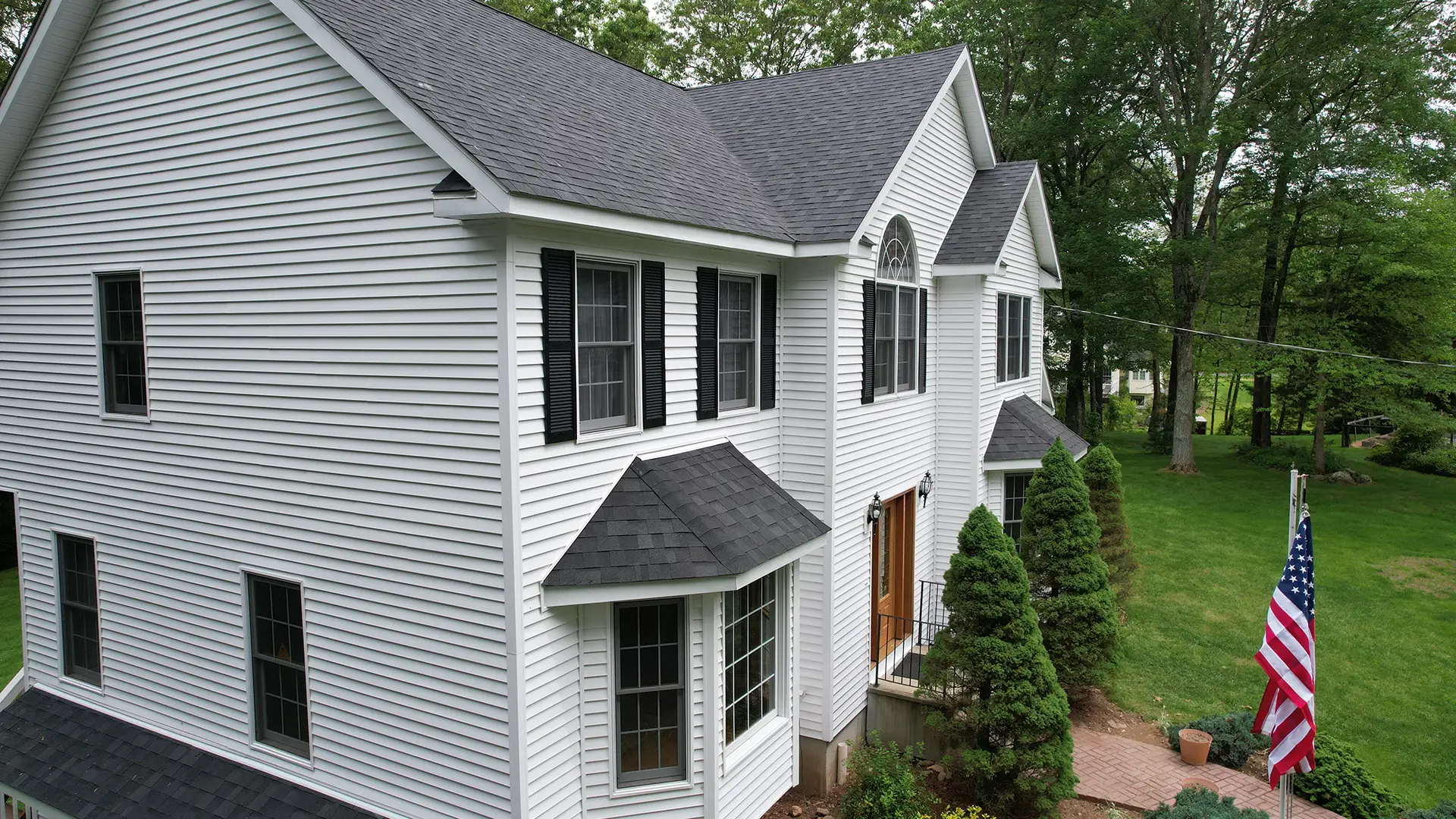
Spring in Connecticut is when many exterior problems first reveal themselves, but summer is when homeowners often feel the consequences. A roof that survived winter can still fail during the first stretch of hot weather and thunderstorms. Gutters that look manageable in April can overflow badly in a June downpour. Siding that seems like a cosmetic issue can turn into a moisture problem once humidity and repeated storms show up. And decks that looked fine under a tarp or a layer of winter grime suddenly become daily-use spaces again.
That spring-to-summer handoff is exactly where homeowners can get ahead of expensive surprises. This guide walks through the most important exterior checks to make in Connecticut before the busy season is in full swing, with specific priorities for roofs, gutters, siding, and decks so you can decide what to repair now, what to schedule next, and what can wait.
Exterior Checklist at a Glance
- Inspect the roof for winter carryover issues before summer heat and thunderstorms turn small weak spots into active leaks.
- Clear and test gutters before the first string of heavy warm-weather downpours.
- Look closely at siding, trim, and wall transitions for moisture staining, movement, and caulk failure.
- Treat the deck like a structural surface, not just a cosmetic one, before daily summer use begins.
- If the exterior needs multiple upgrades, spring is the best time to decide what should be bundled before contractor schedules tighten.
| Area | What to Check Now | Why It Matters Before Summer |
|---|---|---|
| Roof | Missing shingles, flashing wear, soft spots, attic moisture, granule loss | Heat, UV, and storm cycles can turn minor roof issues into urgent repairs fast |
| Gutters | Clogs, loose sections, overflow staining, downspout backup, guard condition | Warm-season storms move a lot of water quickly and expose weak drainage systems |
| Siding & trim | Warping, cracks, stains, failed caulk, soft wood, loose panels | Humidity and repeated rain can push moisture deeper behind the exterior |
| Deck | Loose boards, soft spots, railing movement, fastener rust, surface wear | Summer use increases foot traffic and safety risk on neglected decks |
| Project planning | What needs repair, what needs replacement, what can be bundled | Spring scheduling gives homeowners more control before summer calendars fill up |
This is where Ellis Builders can separate itself from the usual “call us for a free estimate” contractor content. Homeowners do not just need service pages. They need a plan for how the whole exterior performs from spring rain into summer heat, humidity, and storms.
A Simple Connecticut Calendar: What to Do From Late Spring Into Summer
| When | Best Focus | Goal |
|---|---|---|
| Late April to early May | Inspection, photos, and project prioritization | Catch winter damage before outdoor schedules and storm activity ramp up |
| May | Roof and gutter repairs, siding detail fixes, deck safety work | Handle smaller corrective work before the heavy summer workload arrives |
| June | Larger replacements or bundled exterior projects | Use longer daylight and steadier weather for bigger installations |
| July and August | Storm readiness, drainage checks, heat-related wear monitoring | Protect the home during the most punishing part of the warm season |
The biggest mistake many homeowners make is assuming summer is the time to start thinking about the exterior. In practice, summer is usually when you want the important decisions already made and the highest-priority repairs already in motion.
Roof Priorities: What Spring Leaves Behind and Summer Exposes
Roofs in Connecticut often come out of winter looking mostly fine from the ground while still carrying hidden weak spots. Flashing movement, minor shingle loss, edge wear, and attic moisture may not feel urgent in April, but they are exactly the kinds of issues that get worse under strong sun, temperature swings, and early thunderstorm season.
- Look for missing, lifted, curled, or brittle shingles after winter weather and spring wind.
- Check valleys, roof edges, skylights, chimneys, and wall transitions where leaks often begin.
- If the attic is accessible, look for wet insulation, staining, musty odor, or daylight where it should not be visible.
- Pay attention to recurring leak history, because summer storms usually punish previously repaired areas first.

If you have already seen signs of wear, compare what you are seeing with the spring roof maintenance checklist, the emergency roof repair guide, and the Connecticut roof replacement cost guide. Those three pieces help homeowners decide whether they are dealing with maintenance, repair, or full replacement planning.
Gutters and Drainage: Fix Them Before Summer Downpours Test the Whole System
Gutters are where a lot of avoidable exterior damage begins. Once spring pollen, seed debris, leftover leaf buildup, and roof grit settle in, the first heavy summer storm can reveal overflow patterns homeowners did not notice during lighter rain. Water that is not draining correctly can stress fascia, roof edges, siding, and even foundation-adjacent areas.
- Run water through the system or observe it during rain to see where it overshoots, backs up, or spills over.
- Check for loose gutters, separated joints, and staining on fascia or siding below the gutter line.
- Inspect downspout discharge so water is actually being carried away from the house.
- If debris is a constant problem, compare your situation with the newer gutter guards in Connecticut guide before assuming every gutter guard product solves the same problem.
For many Connecticut homes, the best spring-to-summer drainage move is not just cleaning. It is deciding whether the system needs repair, re-pitching, replacement, or guard protection before July thunderstorm patterns expose it the hard way.
Siding and Trim: Watch Moisture, Not Just Appearance
Siding problems are easy to underestimate because they often start as something cosmetic. A panel looks loose. A corner board looks tired. A bit of caulk is separating. But once spring rain and summer humidity keep reworking those weak points, small exterior failures can become hidden moisture problems.
- Look for staining, movement, cracks, warped panels, failed caulk, and soft trim near rooflines and windows.
- Notice whether one side of the home is aging differently because of shade, prevailing weather, or gutter overflow.
- Check wall areas below roof and gutter trouble spots because siding damage is often downstream from another exterior issue.
- If the home already has several mismatched repairs, start thinking in terms of long-term replacement planning instead of endless patchwork.

The right next read here is siding repair versus replacement in Connecticut. That article helps homeowners judge when a small correction is still worth doing and when the home is already asking for a broader exterior solution.
Decks: Summer Use Turns Small Safety Issues Into Big Ones
Deck problems become more important the moment summer arrives because the deck goes from being ignored to being used every week. Railings, stair details, fasteners, soft areas, and weathered surfaces that felt like a future problem in March become a real safety and maintenance issue by barbecue season.
- Check railings for movement and stairs for looseness or uneven settling.
- Look for soft wood, surface cracking, popped fasteners, and board movement underfoot.
- Pressure wash and refinish wood only if the structure is sound and ready for it.
- If you are thinking about a larger upgrade, compare materials now rather than mid-season when you are already frustrated with the old deck.
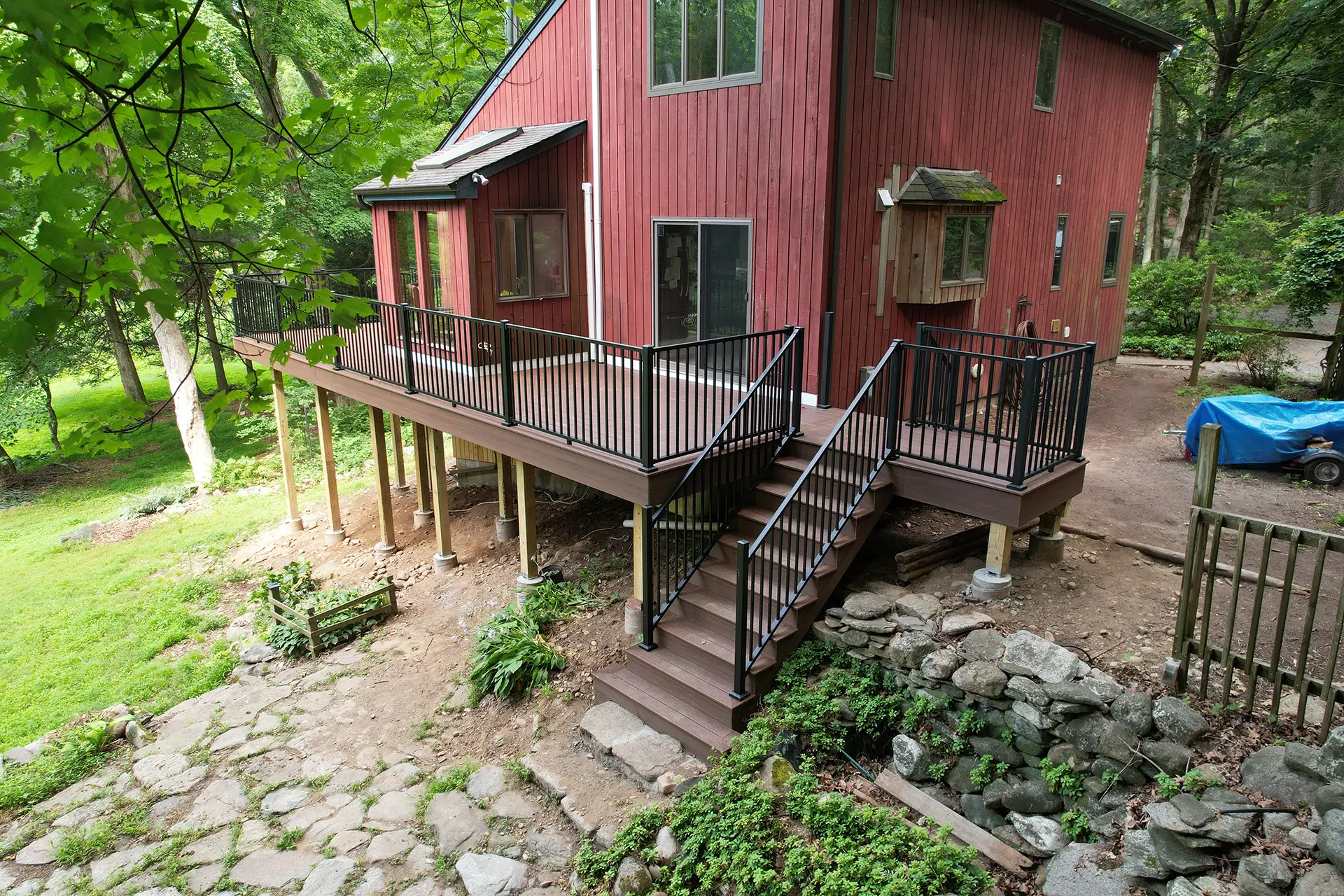
For homeowners debating materials, the Trex versus pressure-treated wood decking guide is the best companion piece. It helps frame the difference between lower upfront cost and lower long-term maintenance.
If You Only Fix Three Things Before July
Not every homeowner is planning a full exterior upgrade this season, so priority matters. If the budget or timeline only allows a few moves, the smartest spring-to-summer order usually looks like this:
- Stop active or likely water entry first: roof leaks, flashing failure, gutter overflow, or damaged wall transitions.
- Fix anything structural or safety-related next: loose railings, weak deck boards, or exterior sections that are physically failing.
- Then decide what should be bundled: roofing, gutters, siding, and decking often make more sense when planned together instead of repaired in isolation.
That prioritization is where Ellis Builders can create real trust. Competitors often publish separate roof, gutter, or storm pages, but homeowners often need help understanding which issue matters most right now and what can wait.
Bundle Strategy: Why Spring Planning Pays Off
The warm season is when homeowners are most likely to invest in the exterior, but it is also when schedules tighten and rushed decisions lead to fragmented work. Spring is the better time to figure out whether the house needs one isolated repair or a coordinated exterior plan across multiple systems.
Ellis Builders can help homeowners compare roofing, gutters, siding, and decking as connected decisions instead of disconnected service calls. If financing is part of the conversation, the financing and warranties page is another good place to continue the planning process.
Serving Homeowners Across Connecticut
Ellis Builders works with homeowners across Connecticut who want to get ahead of leaks, overflow, exterior wear, and outdoor-living upgrades before the season gets away from them. If you want a local starting point, visit the Southbury roofing page, browse broader service areas, or use the contact page to schedule an inspection.
Frequently Asked Questions
What should Connecticut homeowners inspect in late spring?
Start with the roof, gutters, siding transitions, and deck safety details. The goal is to catch water-entry risks and structural issues before summer storms and regular outdoor use magnify them.
Is spring or summer better for exterior work?
Spring is usually better for inspection, prioritization, and scheduling. Summer is often when larger projects get installed, but by then the best decisions should already be made.
Do gutters really affect siding and roofing?
Yes. Overflowing or poorly draining gutters can shorten the life of roof edges, fascia, siding, and trim because they keep forcing water where it does not belong.
Should I repair or replace multiple exterior items at once?
Not always, but if the house has connected roof, gutter, siding, or deck problems, a bundled plan often produces a better long-term result than isolated patchwork.
Who can inspect my roof, gutters, siding, and deck in Connecticut?
Ellis Builders can help homeowners evaluate the full exterior before summer weather raises the stakes. Call (860) 499-4970 or use the contact page to get started.