
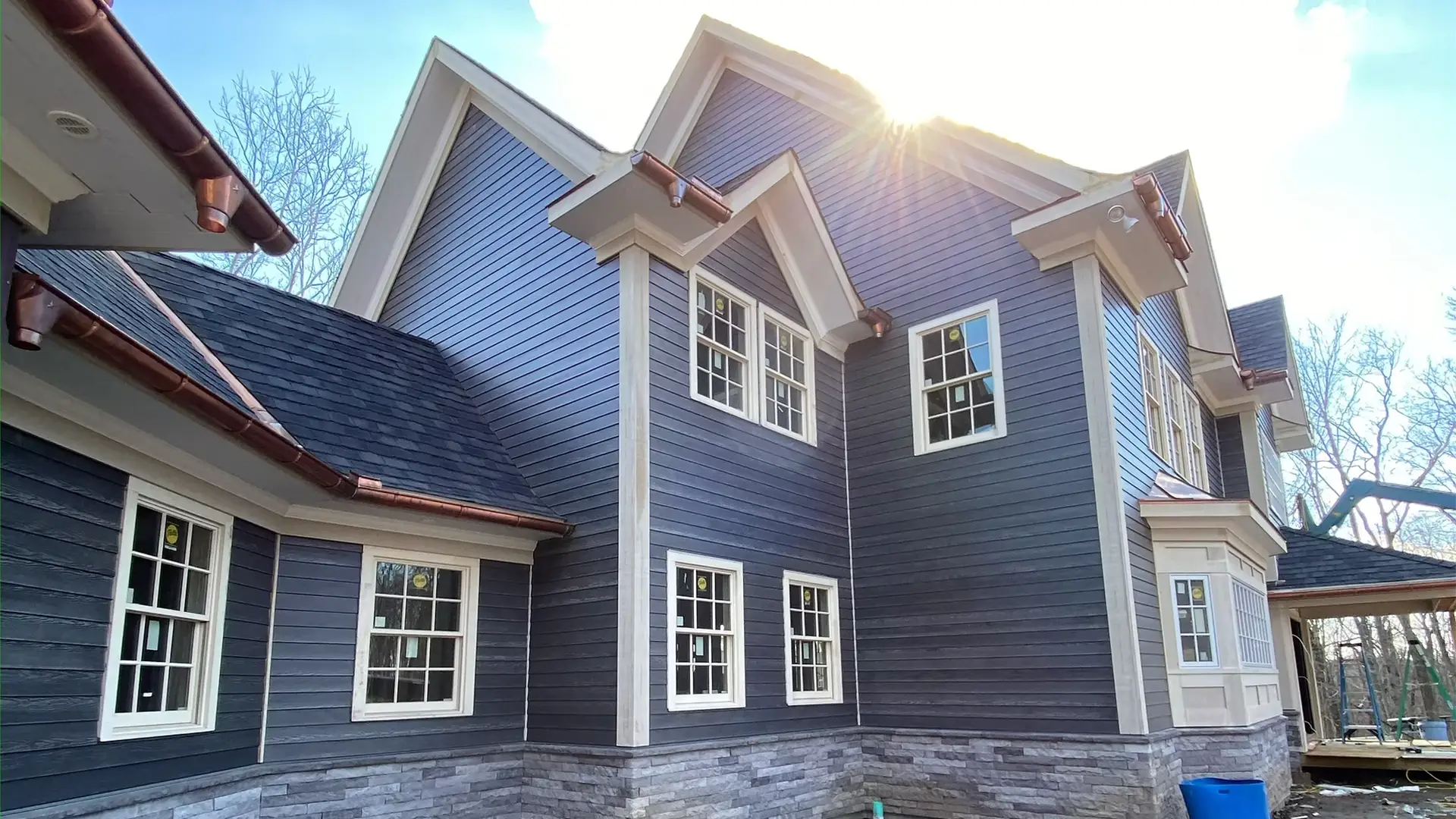
Siding problems often start small. One loose panel, one soft area near a corner, one section fading faster than the rest. But over time, those isolated issues can reveal larger moisture, age, and energy-efficiency problems that make repair less practical than replacement.
This guide helps Connecticut homeowners understand when siding repair still makes sense, when full replacement becomes the smarter move, and how to think about timing before exterior wear turns into interior damage.
Siding Repair vs. Replacement at a Glance
- Repairs make sense when damage is isolated and the rest of the siding system is still in good condition.
- Replacement becomes more attractive when moisture damage, repeated failures, fading, warping, or mismatched older materials affect broad sections of the home.
- Connecticut weather puts siding through moisture swings, freeze-thaw cycles, wind exposure, and long-term sun fade that can age materials unevenly.
- The right decision should consider moisture protection, appearance, energy performance, and how long you plan to stay in the home.
- A quick repair can save money on the right house, but repeated exterior patchwork usually gets expensive over time.
| Condition | Best Path | Reason |
|---|---|---|
| One isolated crack, loose panel, or impact area | Repair | Localized damage can often be corrected without replacing the full exterior |
| Moisture-softened sheathing or repeated water entry | Often replacement | Underlying water problems usually call for broader correction |
| Wide fading, warping, and age across several elevations | Replacement | Broad wear usually means appearance and performance are both declining |
| Hard-to-match older material | Depends on visibility and scope | A repair may technically work but still look patchy or incomplete |
| Exterior update alongside roof or gutter work | Often replacement planning | Bundling exterior improvements can be more efficient and visually cohesive |
Good siding decisions balance protection, aesthetics, and long-term value. Repair is not automatically cheaper if the home keeps needing more of it.
When siding repair still makes sense
Repair is often the right call when the problem is small and the rest of the siding is healthy. That might mean one impact area, one loose section, one failed trim detail, or a limited repair around a door, window, or roofline transition.
- Damage is limited to one area rather than multiple sides of the home.
- The material is still stable, attached well, and not broadly brittle or warped.
- Moisture has not spread behind the siding system.
- A clean repair can still match the surrounding appearance reasonably well.
Warning signs replacement may be smarter
Once siding wear spreads across several elevations, the logic changes. Broad fading, repeated panel failure, moisture intrusion, soft sheathing, and poor-looking past repairs often point toward a more complete exterior solution.
- Warping, splitting, or loose panels on multiple sides of the home.
- Visible moisture issues near windows, rooflines, or lower wall sections.
- Older siding that is hard to match after each new repair.
- Exterior updates that would benefit from a more cohesive finished look.
- Energy or insulation concerns that a broader exterior project could address better.
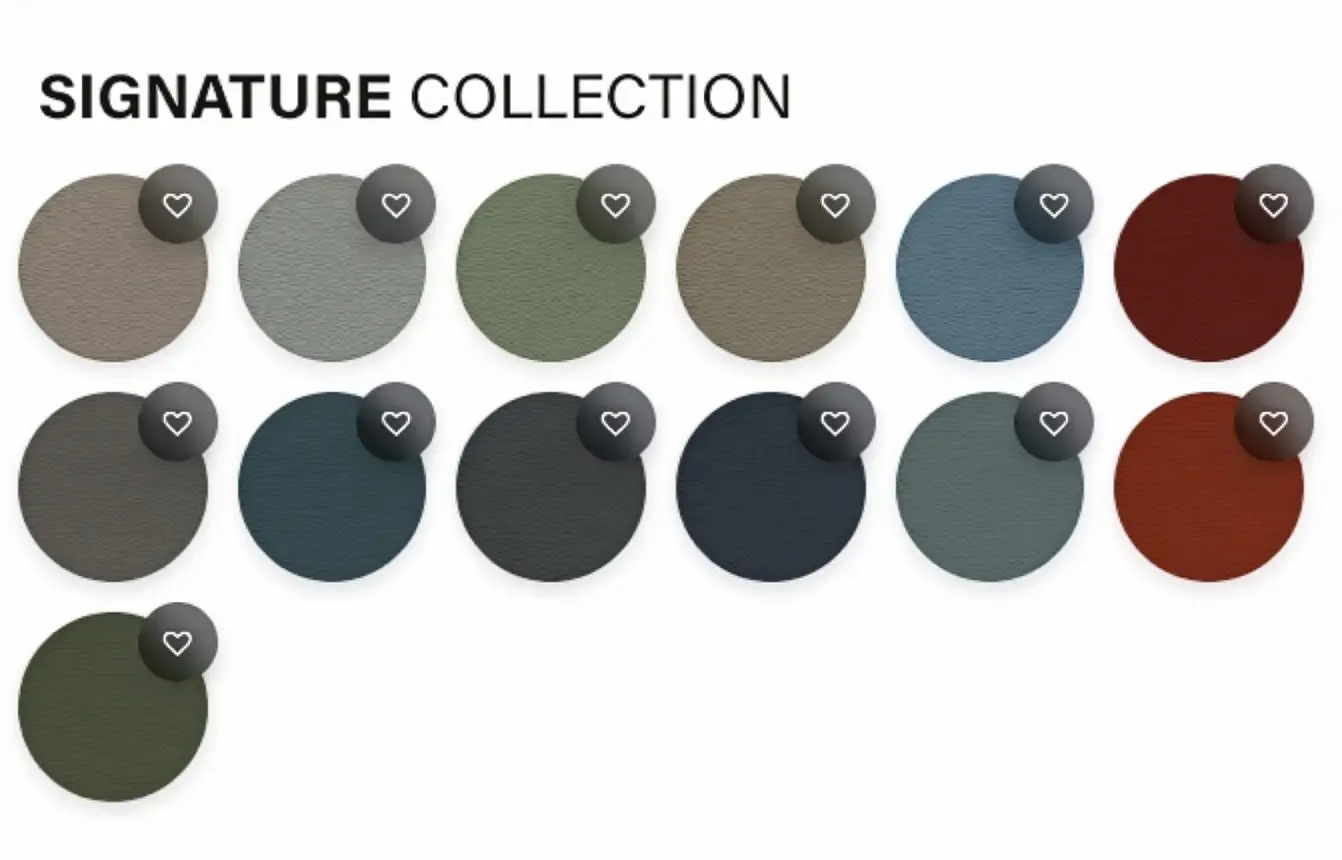
Connect siding decisions to the rest of the exterior
Siding does not fail in isolation. Roof runoff, overflowing gutters, flashing gaps, and trim details around windows and corners all affect how long the siding stays in good condition. That is why it helps to think about repair or replacement as part of the full exterior envelope, not just the visible panel surface.
Homeowners comparing options can also review Ellis Builders’ siding page and the broader Connecticut exterior services page.
How timing affects cost and disruption
Minor repairs are often less disruptive, but waiting too long on broader siding failure can make the scope bigger once hidden moisture or substrate damage is exposed. Planning earlier usually gives homeowners more control over material choice, schedule, and budget instead of forcing a rushed decision after water damage appears.
What Ellis Builders helps homeowners evaluate
Ellis Builders helps Connecticut homeowners evaluate whether a siding issue is still a repair problem or whether it has become a replacement conversation. If the home also needs roofing, gutters, or other exterior updates, that broader view can make the next step much clearer. The contact page is the best place to start an inspection.
Serving Homeowners Across Connecticut
Ellis Builders works with homeowners across Connecticut who need help with siding wear, siding damage, and broader exterior upgrade planning. Southbury and surrounding communities can use the contact page to schedule an inspection or review broader service areas coverage.
Frequently Asked Questions
When should siding be repaired instead of replaced?
Repair makes the most sense when damage is isolated and the rest of the siding system is still structurally and visually sound.
What signs point to full siding replacement?
Broad warping, repeated panel failure, moisture damage, hard-to-match materials, and widespread aging usually make replacement the better long-term move.
Can roof and gutter issues affect siding?
Yes. Poor drainage and flashing details can shorten siding life by introducing recurring moisture at wall edges and trim transitions.
Is siding replacement worth it for curb appeal?
Often yes, especially when the home has visible fading, patchwork repairs, or multiple elevations that no longer look cohesive.
Who handles siding repair and replacement in Connecticut?
Ellis Builders can inspect the siding and help you compare repair versus replacement. Call (860) 499-4970 or use the contact page.