
Connecticut Roof System Guide
Roof Ventilation in Connecticut: Attic Airflow, Ice Dams, Moisture and Shingle Wear
Learn how ventilation, insulation, air sealing, and drainage relate to attic moisture, ice dams, and shingle wear on Connecticut homes.
Learn how ventilation, insulation, air sealing, and drainage relate to attic moisture, ice dams, and shingle wear on Connecticut homes.
Roof ventilation is easy to ignore because most of it is hidden. Homeowners see shingles, gutters, skylights, siding, and trim. They do not usually see blocked soffit vents, overheated attic air, bathroom fans dumping moisture into the attic, damp insulation, or roof decking that is quietly absorbing seasonal stress.
In Connecticut, that hidden airflow matters. The same roof has to handle winter snow, freeze-thaw cycles, spring rain, summer heat, high humidity, shaded tree cover, and sudden storms. A roof that looks fine from the street can still be aging faster than it should if the attic is not breathing correctly.
This guide explains how roof ventilation in Connecticut works, why it affects ice dams and attic moisture, what warning signs homeowners should watch for, and when a ventilation conversation belongs inside a larger roof repair or roof replacement plan.
Key Takeaways for Connecticut Homeowners
- Balanced roof ventilation needs both intake and exhaust. Ridge vents cannot do much if soffits are blocked.
- Poor attic airflow can contribute to ice dams in winter, attic condensation in shoulder seasons, mold risk, wet insulation, and premature shingle aging.
- More venting is not automatically better. The system needs the right path for air to enter low and exit high.
- Bathroom fans, kitchen fans, and dryer vents should never dump moist air into the attic.
- If you are planning roof replacement, ventilation should be inspected before the new shingles go on.
| Symptom | Possible Ventilation Issue | What to Check Next |
|---|---|---|
| Ice dams or heavy icicles | Warm attic air may be melting snow unevenly | Insulation, air sealing, soffit intake, ridge exhaust, gutter flow |
| Musty attic smell | Moisture may be trapped in the attic | Bath fan routing, roof leaks, intake blockage, decking condition |
| Shingles aging unevenly | Heat may be building under the roof deck | Vent layout, attic temperature, color/exposure, roof age |
| High upstairs temperatures | Attic heat may be radiating into living space | Insulation depth, ventilation balance, air sealing |
| Recurring roof-edge leaks | Ice, overflow, or flashing details may be interacting | Gutters, drip edge, ice and water protection, ventilation |
Why Connecticut Roofs Need Balanced Ventilation
A roof system is not just shingles over plywood. It is a layered assembly that includes decking, underlayment, flashing, attic insulation, air sealing, intake vents, exhaust vents, gutters, and interior moisture control. When those pieces work together, the roof has a better chance of lasting its intended service life.
Connecticut makes that more important because the roof is under different pressure in every season. In winter, warm air escaping into the attic can melt snow from below. That meltwater can refreeze at colder eaves and form ice dams. In spring and fall, temperature swings can create condensation. In summer, attic heat can stress shingles, roof decking, and air conditioning systems.
For a vented attic, ask whether there is a continuous path for air to enter low and exit high, and whether insulation or other obstructions block that path. Unvented roof assemblies need a different moisture-control approach.
Intake and Exhaust: The Part Many Homeowners Miss
Most people have heard of ridge vents. Fewer understand that ridge vents depend on intake. Exhaust at the ridge pulls air out near the peak of the roof, but replacement air has to enter somewhere. In many homes, that replacement air should come through soffit vents or other low intake points near the eaves.
If soffit vents are painted over, packed with insulation, blocked by storage, covered by old repairs, or missing altogether, the ridge vent may not move enough air. The attic can still trap heat and moisture even though the roof technically has vents.
That is why Ellis Builders looks at ventilation as a system. A roofing inspection should not only ask whether vents exist. It should ask whether intake and exhaust are balanced, whether the path is open, and whether the current roof design supports the kind of venting being used.
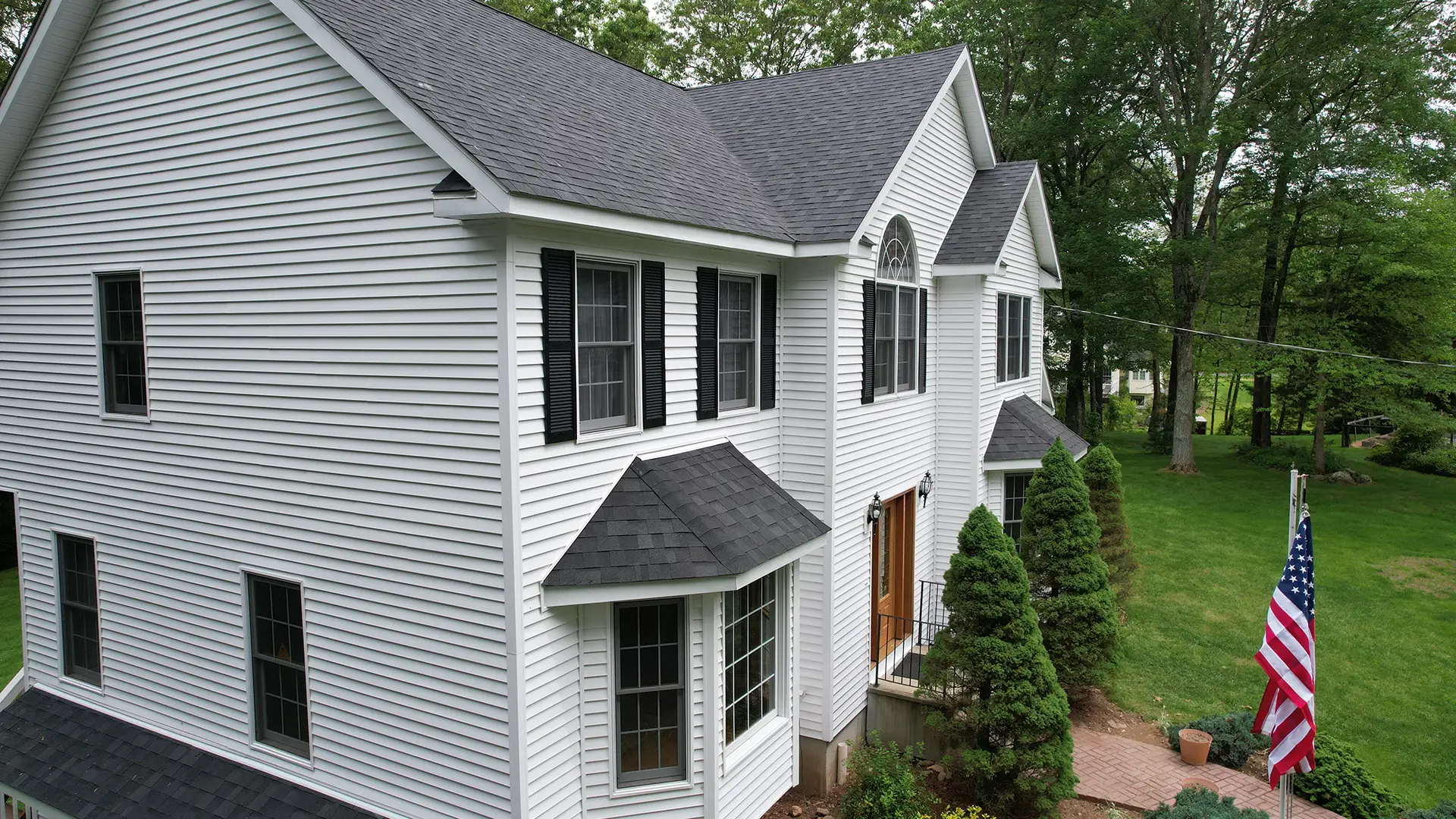
How Poor Ventilation Contributes to Ice Dams
Ice dams are often described as a gutter problem, but gutters are only one part of the story. Ice dams usually start when heat escapes into the attic and warms the roof deck. Snow melts on the warmer upper roof, runs toward the colder eaves, and refreezes near the edge. Over time, that ice can hold water on the roof and push it under vulnerable roof details.
Ventilation helps by keeping the underside of the roof deck closer to the outside temperature. Insulation and air sealing are also important because they reduce the amount of living-space heat entering the attic in the first place. The best fix is usually not one product. It is a roof-system review.
If your home has had repeated ice dams, it is worth reviewing more than the shingles. Ask about attic insulation, bypasses around recessed lights or chase openings, soffit intake, ridge exhaust, gutter condition, and whether the roof has enough ice and water protection in the right areas.
For emergency winter issues, Ellis has a separate emergency roof repair guide for Connecticut homeowners. For seasonal prevention, the spring roof maintenance checklist is a useful companion to this ventilation guide.
Summer Heat Can Age a Roof Too
Ventilation is not only a winter topic. In summer, attic temperatures can climb well above outdoor temperatures. That heat can radiate into upstairs rooms, make air conditioning work harder, and add stress to the roof assembly.
Asphalt shingles are built for sun and heat, but trapped heat below the roof deck is still not ideal. If the attic cannot release hot air, the roof may experience more thermal stress than necessary. Over time, homeowners may notice curling, brittle shingles, uneven aging, or areas that seem to wear faster than the rest of the roof.
That does not mean every hot attic automatically needs a new roof. It means attic conditions should be part of the inspection, especially if you are already seeing roof wear, planning a replacement, or comparing the timing against the Connecticut roof replacement cost guide.
Moisture Problems Often Start Inside the Home
Not every attic moisture problem starts with a roof leak. Moisture can also come from inside the home. Bathroom fans, kitchen fans, humidifiers, gaps around attic penetrations, and poorly sealed ceiling planes can move warm moist air into the attic. Once that air hits a colder surface, condensation can form.
Common warning signs include:
- musty attic odors
- dark staining on roof decking
- damp or compressed insulation
- rusted nail tips under the roof deck
- peeling paint near upper ceilings or roof edges
- bathroom fans that terminate in the attic instead of outside
These symptoms deserve a closer look before anyone assumes the roof is simply leaking. A roof leak, condensation problem, and ventilation imbalance can look similar from inside the house. The right repair depends on the actual cause.
Ventilation Should Be Reviewed Before Roof Replacement
If you are replacing a roof, ventilation is not a side note. It is one of the best times to correct old roof-system problems because the crew can see the decking, underlayment, ridge details, and roof penetrations more clearly.
A good replacement conversation should include:
- whether the roof deck shows staining, softness, delamination, or moisture damage
- whether existing exhaust vents are compatible with the roof design
- whether soffit intake is clear and adequate
- whether old box vents, ridge vents, and gable vents are working together or against each other
- whether bathroom and kitchen fans exhaust outside the home
- whether gutter and drip-edge details are moving water away from roof edges
This is also where warranty conversations matter. Many shingle manufacturers expect proper attic ventilation as part of a healthy roofing system. If ventilation is ignored, a homeowner may be putting long-term roof performance at risk.
Ellis Builders can review ventilation as part of a broader roofing services inspection. If gutters, siding, fascia, or soffits are also involved, the team can look at those exterior details together instead of treating each symptom separately.
When Roof Ventilation Should Be Inspected
You do not need to wait for a roof failure to ask about ventilation. A check is smart when you notice recurring winter ice, attic odor, upstairs heat, uneven shingle aging, or signs of moisture inside the attic. It is also smart before a major exterior project.
| Timing | Why It Matters | Related Ellis Service |
|---|---|---|
| Before roof replacement | Decking, ridge, intake, and exhaust details can be corrected while the roof is open | Roofing |
| After repeated ice dams | The issue may involve insulation, airflow, gutters, and roof-edge details | Gutters |
| After attic moisture or mold concerns | The source may be ventilation, bath fans, roof leaks, or air sealing | Inspection request |
| Before siding or soffit work | Soffit changes can improve or block roof intake depending on the scope | Siding |
| During storm-damage review | Storm damage and pre-existing moisture problems should be separated clearly | Insurance claim guide |
Common Mistakes to Avoid
Roof ventilation problems often persist because the repair only addresses what is visible from the ground. Adding a vent without checking intake may not solve the problem. Replacing shingles without reviewing attic conditions may leave the same moisture issue under a new roof. Cleaning gutters may help drainage but will not fix warm attic air that keeps melting snow from below.
Avoid these common mistakes:
- assuming ridge vents work even when soffits are blocked
- mixing too many exhaust types without understanding airflow
- letting bathroom fans terminate in the attic
- covering soffit vents during insulation work
- blaming every ceiling stain on a roof leak without checking condensation
- replacing shingles without inspecting the roof deck and attic side
The right solution may be simple, but it should be based on inspection rather than guesswork.
How Ellis Builders Helps
Ellis Builders helps Connecticut homeowners evaluate the roof as a complete exterior system. That includes shingles, underlayment, flashing, gutters, fascia, soffits, attic warning signs, and ventilation conditions that can affect roof life.
If the roof is newer, the answer may be a targeted correction. If the roof is older, ventilation may be part of a larger replacement plan. If moisture or ice damage is already present, the first step is documenting what is happening and separating roof damage from attic airflow, insulation, or interior moisture issues.
For next steps, start with the contact page, review Ellis Builders’ roofing services, or browse the Connecticut service areas page.
Serving Homeowners Across Connecticut
Ellis Builders works with homeowners across Connecticut who need roof inspections, roof replacement planning, storm-damage repairs, ventilation review, siding, gutters, decking, and exterior remodeling support. If you are seeing attic moisture, ice dams, uneven roof aging, or signs that your roof system is not performing correctly, a documented inspection is the right place to start.
Frequently Asked Questions
What is the best type of roof ventilation for Connecticut homes?
The best setup depends on the roof design, but many homes perform well with balanced low intake at the soffits and high exhaust near the ridge. The important point is balance. Exhaust vents need enough intake air to work properly.
Can poor roof ventilation cause ice dams?
Poor ventilation can contribute to ice dams when attic heat warms the roof deck and melts snow unevenly. Insulation, air sealing, roof-edge details, and gutter drainage should also be reviewed.
Can attic moisture mean my roof is leaking?
Sometimes, but not always. Moisture can come from a roof leak, condensation, bathroom fans, air leaks from the living space, or blocked ventilation. A careful inspection helps separate the causes.
Should ventilation be fixed before or during roof replacement?
If a roof replacement is already planned, ventilation should be reviewed before the work starts and corrected as part of the project when needed. It is much easier to address ridge, decking, and underlayment details while the roof is being replaced.
Who inspects roof ventilation in Connecticut?
Ellis Builders can inspect roof and attic warning signs for Connecticut homeowners and explain whether the issue looks like ventilation, roof damage, gutter trouble, or a broader roof-system concern. Call (860) 499-4970 or use the contact page.
Next Step
Get a Connecticut exterior contractor to inspect the details before the scope is locked.
Ellis Builders helps homeowners connect roofing, gutters, siding, decking, flashing, ventilation, and water-management details so the repair or replacement plan is based on the whole exterior system.
Local Exterior Contractor
Ellis Builders in Southbury, CT
Ellis Builders is based in Southbury and serves homeowners across New Haven County, Litchfield County, Fairfield County, and surrounding Connecticut communities.
Start with the contact page, review Connecticut roofing services, or browse Ellis Builders’ service areas.
Join the discussion 2 Comments