

Connecticut Homeowner Guide
Snow in Your Attic After a Connecticut Storm: Causes and What to Do
A drift under the roof can melt into insulation and ceilings. Start with safe access, record where the snow landed, and find the entry point without closing off the attic’s airflow.
Snow in an attic after a Connecticut storm can be wind-driven snow, frost that formed inside, or evidence of another opening or roof problem. Those conditions can leave similar wet spots once temperatures rise, but they do not all call for the same repair.
Fine snow can be carried by wind through exposed openings, including some vents, damaged louvers, or gaps around the roof and siding. A small deposit during an unusually severe storm does not by itself establish that the roof has failed. A large drift, repeat events, wet insulation, damaged wood, or water reaching a finished ceiling deserves a closer look.
This guide helps you respond to the snow you can see, preserve useful evidence, and ask for an inspection that protects both the home and its ventilation. For a broader comparison of indoor moisture and roof leaks, see our roof leak or attic condensation guide.
First Steps
Protect the room and document the conditions.
Stay on safe surfaces
Do not enter an attic without safe access, lighting, and a stable walking surface. Ceiling drywall and insulation are not a floor. If framing is hidden or access is difficult, leave the inspection to a professional.
Keep away from electricity
Water near wiring, lights, equipment, or outlets can create a shock hazard. Keep clear and contact a qualified electrician or emergency service when appropriate. Do not touch wet electrical equipment.
Protect belongings
Move items from the affected room if safe, catch active drips, and keep people clear of a sagging ceiling. If the ceiling bulges or appears unstable, leave the area and obtain help.
Preserve evidence
Photograph the snow before it melts if you can do so safely. Include a wide view, close views of the nearest opening, and a reference for depth. Note the date, wind direction, weather, and location of stains below.
Do not climb onto a snowy roof, lean out of a high window, or attempt to reach a drift across exposed ceiling joists. If there is substantial water or a safety concern, call a qualified contractor promptly. The storm damage inspection guide explains how to organize photos and observations after severe weather.
Read the Pattern
Snow, frost, and a leak can look alike after a thaw.
| What you see | What it may suggest | What to check next |
|---|---|---|
| A localized pile below a vent or gable opening after blowing snow | Wind-driven entry through or around an opening | Record the wind direction and inspect the opening, its flashing, and surrounding gaps. |
| Frost spread across nail tips or the underside of sheathing after cold weather | Condensation freezing on cold surfaces | Evaluate indoor humidity, air leakage, exhaust ducts, insulation, and attic ventilation. |
| A wet trail at a penetration, roof valley, or wall connection | Water entering or traveling from a roof or flashing defect | Trace the full path during a professional inspection; water can travel away from its entry point. |
| A ceiling stain near the eave after snow and thaw | Several possibilities, including wind-driven snow or an ice-dam-related leak | Document the attic, roof edge, weather, and snow conditions rather than assuming one cause. |
These are clues, not a diagnosis. More than one condition can occur in the same house. A deposit beside a vent can be accompanied by a separate flashing leak, and a widespread moisture problem can coexist with isolated snow entry. Photos taken before the thaw help an inspector distinguish a drift from frost or a water trail.
The U.S. Department of Energy Building America guidance explains how moisture-laden indoor air can condense or freeze on cold attic surfaces. Its guidance also notes that gable vents can admit wind-driven snow and rain. The appropriate fix depends on your home’s assembly and the observed path.
Where Snow May Enter
Inspect the opening and the surrounding construction.
Wind can carry dry, fine snow in directions that ordinary rainfall does not follow. A roof vent, ridge vent, gable louver, or soffit opening is designed to allow airflow; depending on exposure, product, condition, and installation, an opening may admit some snow during extreme wind. Snow can also enter through a damaged screen or louver, a missing cover, an unsealed construction gap, or a break around flashing. A drift below an opening is evidence to investigate, not proof that the vent itself is defective.
Gable louvers
Check for loose or damaged louvers, gaps around the frame, and snow concentrated on the windward end. Ask whether the louver and its installation suit the exposure and the rest of the attic ventilation design.
Ridge and roof vents
Inspect the vent body, end closures, baffles where supplied, attachment, shingles, and flashing. A contractor can compare the installed detail with the product instructions and determine whether the opening or its surroundings need repair.
Soffits and roof edges
Look for damaged panels, disconnected trim, open corners, and gaps near the eave. Intake paths also need to remain open; insulation baffles and exterior details should work together.
Other openings
Wall-to-roof junctions, additions, chimneys, damaged siding, and abandoned openings can admit precipitation. Trace evidence from the snow deposit toward the exterior instead of replacing the nearest vent by default.
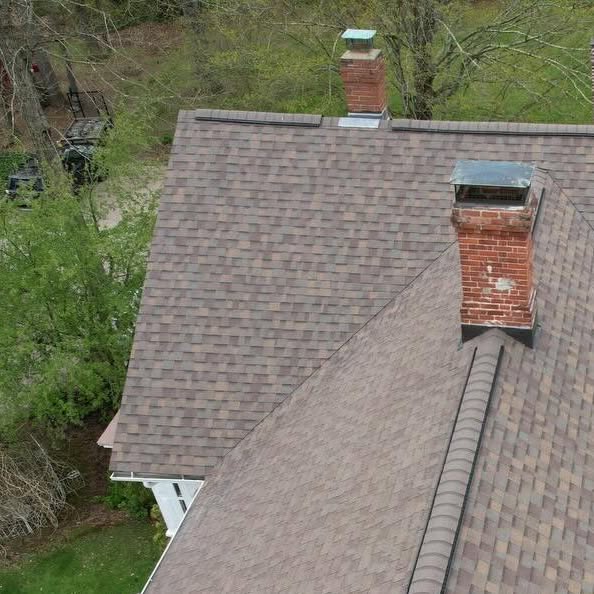
A contractor should review the roof from a safe position once conditions permit and inspect accessible attic details. Helpful evidence includes the vent manufacturer and model, photographs from both sides, previous repairs, the size of the deposit, and whether it appears only during a particular wind direction. The Ellis roofing team can inspect roof and exterior details and help identify the next step.
Protect Airflow
Do not solve snow entry by blocking ventilation.
Taping over a vent, stuffing insulation into an opening, or covering an intake may stop visible snow temporarily while creating a different moisture problem. In a vented attic, intake and exhaust openings work as a system. Changes to one opening can alter airflow elsewhere, and a home may include enclosed rafter spaces or other areas with different requirements.
Ask the contractor to document existing intake and exhaust, blocked or disconnected paths, attic configuration, and the proposed replacement detail. A weather-resistant vent, properly installed baffle, repaired louver, or sealed construction gap may be appropriate depending on the cause. Product selection and installation should follow the applicable code and manufacturer instructions. Do not assume that adding a screen or closing a gable vent is harmless: it can change effective airflow or interfere with the intended assembly.
ENERGY STAR’s attic ventilation guidance explains why venting and insulation serve different purposes. Connecticut’s Weatherization Field Guide also emphasizes controlling air leakage and moisture as part of the whole attic system. Read our Connecticut roof ventilation guide for more on intake, exhaust, and airflow.
After the Storm
Find and dry the affected materials, then correct the source.
Snow can disappear from view while moisture remains in insulation, wood, stored belongings, or a ceiling cavity. If access is safe, document which surfaces and materials are wet. For a large deposit, active leakage, concealed moisture, contamination, or an electrical concern, use qualified help rather than disturbing material you cannot safely reach.
Drying decisions depend on the type of insulation, how much water entered, whether the material is contaminated, and whether the assembly can dry thoroughly. Wet or compressed insulation may need to be removed and replaced; other material may be salvageable after professional evaluation. Do not cover wet materials with new insulation or close a ceiling before the affected area is dry and the source is addressed.
Repeated wetting can damage sheathing or framing. An inspector can assess accessible wood, staining, softness, and the extent of affected materials; a hidden area may require a carefully planned opening. If decking is damaged, the roof decking replacement guide explains why the repair scope and concealed conditions should be documented.
Be cautious with mold or suspected contamination. Avoid disturbing it or attempting a large cleanup without qualified guidance. For water damage near a light, fan, or junction box, have an electrician assess the hazard before cleanup or restoration. For a ceiling that is sagging or deteriorating, keep the room clear and obtain help.
A Clear Repair Plan
Compare what each proposal will investigate and repair.
Evidence and entry point
What was observed, where was the snow, and what other causes were considered? Ask for photos that connect the proposed work to the evidence.
Ventilation plan
Which openings provide intake and exhaust today? How will the proposed repair maintain the ventilation needed for this specific attic?
Materials and scope
Will the work repair a gap, replace a component, correct flashing, or address several details? Ask for the product, location, and installation approach in writing.
Wet materials and hidden conditions
Who will assess insulation, decking, framing, and the ceiling? How will concealed damage be approved and priced if it is found?
Closeout
Request photographs, warranty information, and a plan for monitoring the area after a comparable storm. Confirm which interior repairs are included.
If you plan to submit an insurance claim, photograph the damage, retain receipts, and contact your insurer about the policy and documentation it requires. Coverage depends on the cause and policy terms; do not assume a repair is covered. Connecticut’s winter insurance claim guidance offers a starting point for policyholders.
Once repairs are complete, keep a simple record of storms, wind direction, photos, and any recurring snow or dampness. Recheck only when the attic can be accessed safely. A clean inspection after one calm snowfall does not necessarily reproduce the conditions that caused entry during a wind-driven storm.
Frequently Asked Questions
Questions about snow in a Connecticut attic.
Is snow in the attic always a roof leak?
No. Wind can carry fine snow through an attic opening, while frost can form from indoor moisture and roof defects can admit precipitation. The location and weather pattern help identify the cause.
Should I cover my attic vents to keep snow out?
Do not block vents as a quick fix. A professional should evaluate the complete ventilation system and propose weather-resistant details that preserve required airflow.
Can attic snow cause a ceiling stain?
Yes. Snow can melt onto insulation or framing and reach the ceiling. A stain also can have other causes, so document the conditions and investigate the source.
Does wet attic insulation always need replacement?
Not always. The material, amount of water, contamination, and ability to dry matter. A qualified professional can evaluate drying or replacement and address the source first.
Will insurance cover snow entering an attic?
Coverage depends on the policy, the cause, and the circumstances. Document the damage and ask your insurer about your specific policy before assuming coverage.
Does snow in the attic mean the roof needs replacement?
Not necessarily. A localized opening or vent detail may be repairable. A broader scope depends on the roof condition, damage, and the findings of an inspection.
Get Help
Find the entry point before the next storm.
Ellis Builders can evaluate accessible roof and exterior conditions, review your storm photos, and help you plan a repair that considers the roof, openings, and ventilation together.
Ellis Builders
Roofing help from Southbury, Connecticut
Ellis Builders is located at 238 Reservoir Rd, Southbury, CT 06488. Explore our roofing services or contact us to discuss your home’s roof and exterior.