
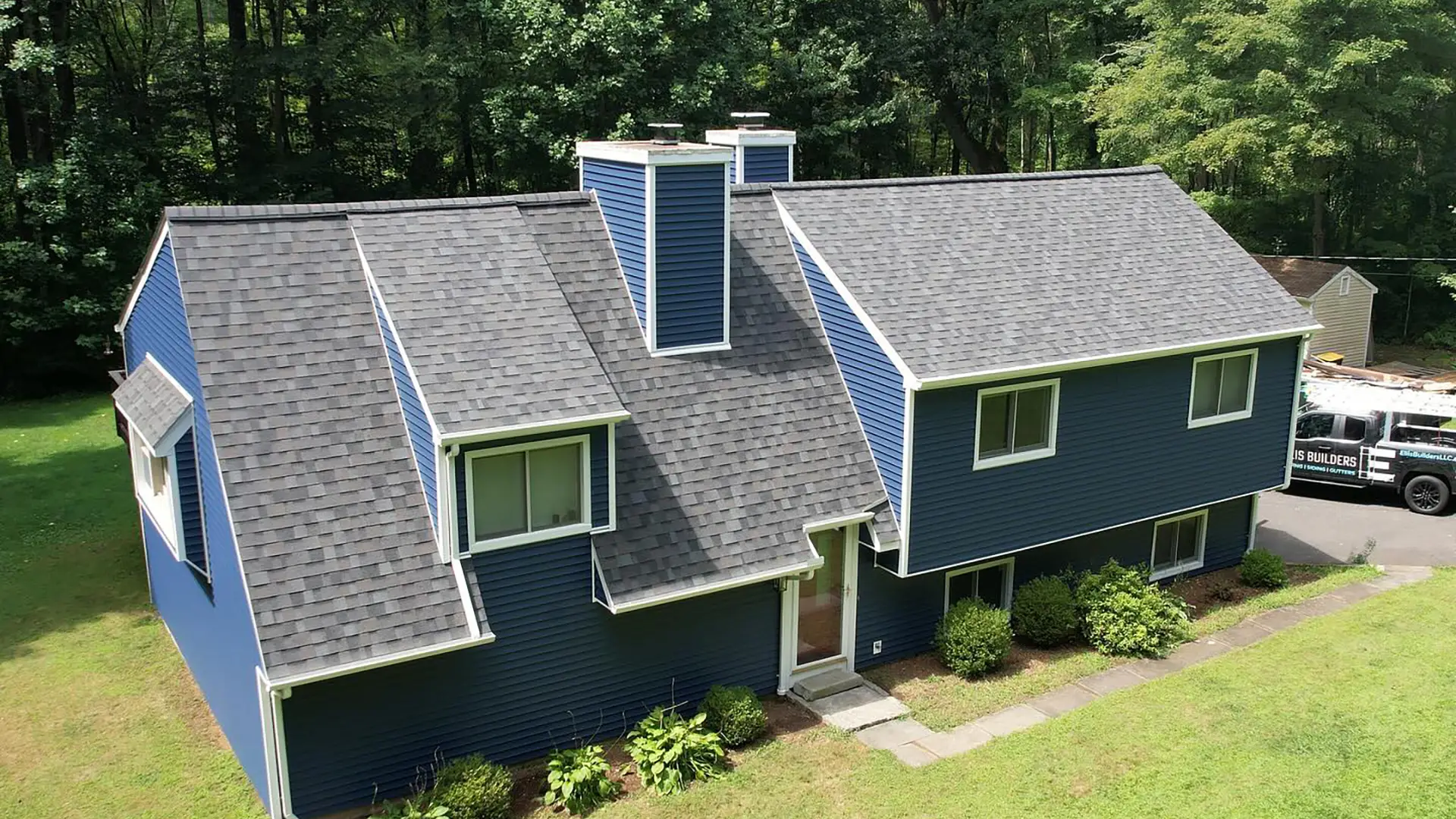
Connecticut Homeowner Guide
Woodpecker Holes in Siding: A Connecticut Homeowner’s Repair Guide
A hole in the siding calls for more than a quick cover. Find out what is using the opening, assess the wall, and choose a repair that keeps water outside.
Woodpecker holes in siding can expose the wall to rain, insects and other animals, but the right repair starts with understanding the opening. A bird may be drumming on a resonant surface, looking for food, or excavating a cavity. Those behaviors call for different responses, and a hole does not prove that a home has an insect infestation.
Connecticut’s Department of Energy and Environmental Protection (DEEP) notes that woodpeckers can damage natural wood siding, eaves and fascia and may nest in house walls. Before anyone covers an opening, make sure a bird or active nest will not be trapped inside. Then have the exterior and any exposed wall layers assessed.
Ellis Builders provides siding repair and replacement in Connecticut. This guide helps you document the damage, coordinate wildlife help when needed, and compare a local repair with a larger project.
First Steps
Observe safely before closing the opening.
Watch from a distance
Note whether a bird enters or leaves, carries material or food, or returns repeatedly. Do not reach into a cavity or disturb birds, eggs, or young. If an active nest is possible, contact DEEP or a qualified wildlife professional before exclusion or repair.
Document the wall
Photograph the whole elevation and closer views from a safe position. Record the location, approximate size, number of holes, recent rain, and any interior staining. A photo beside a familiar object can help show scale.
Avoid unsafe access
Holes often appear high near eaves or above sloping ground. Stay off roofs and avoid leaning from windows or using an unstable ladder. Ask an insured professional to assess hard-to-reach areas.
Plan weather protection
Ask a qualified professional how to protect an exposed opening from rain after wildlife concerns are addressed. Temporary protection should not trap animals or direct water behind the siding.
Connecticut DEEP describes prompt protection and permanent repair as part of a long-term response. The appropriate timing depends on what is using the opening. Do not use sticky repellents; DEEP warns that they can harm birds and stain siding.
Read the Pattern
Different marks suggest different questions.
| What you notice | What it may indicate | What to do next |
|---|---|---|
| Repeated tapping on a gutter, flashing or wall | Drumming on a resonant surface; visible damage may be limited. | Record when and where it occurs and check for loose or damaged material. |
| A larger cavity near an eave or corner | Excavation for a cavity or roost is possible. | Observe for use and seek wildlife guidance before covering it. |
| Long narrow furrows along seams or frames | Foraging may be occurring; insects are possible but not established. | Have an appropriate professional investigate actual insect evidence. |
| Soft siding, staining or peeling finish around a hole | Water exposure or existing deterioration may extend beyond the visible mark. | Assess the surrounding wall and water path before specifying a patch. |
| Holes that return after repairs | The location may still attract birds, or the protection may be ineffective. | Review humane deterrence and durable exterior details together. |
These are clues rather than a diagnosis. DEEP explains that foraging damage may or may not indicate insect pests. A qualified pest professional can identify evidence before treatment is considered. Equally, a cavity may have been enlarged after a bird discovered an existing weak spot; the visible hole alone cannot establish the sequence.
Inspect the Assembly
Look beyond the surface without making the opening larger than necessary.
A siding contractor can identify the material and check the affected siding, trim and neighboring courses. The inspection may include probing accessible wood, looking for failed finishes or loose boards, and examining the position of the opening relative to gutters, windows, roof intersections and flashing. A contractor may recommend a controlled opening if the condition behind the siding cannot be established from outside.
Ask what will be removed, how the wall will be protected if work pauses, and how concealed damage will be documented. A hole through the finish may expose a weather-resistive barrier or sheathing. If water has entered, affected materials need an appropriate drying and repair plan before the wall is closed. Insulation, framing, wiring or other components may require another qualified trade.
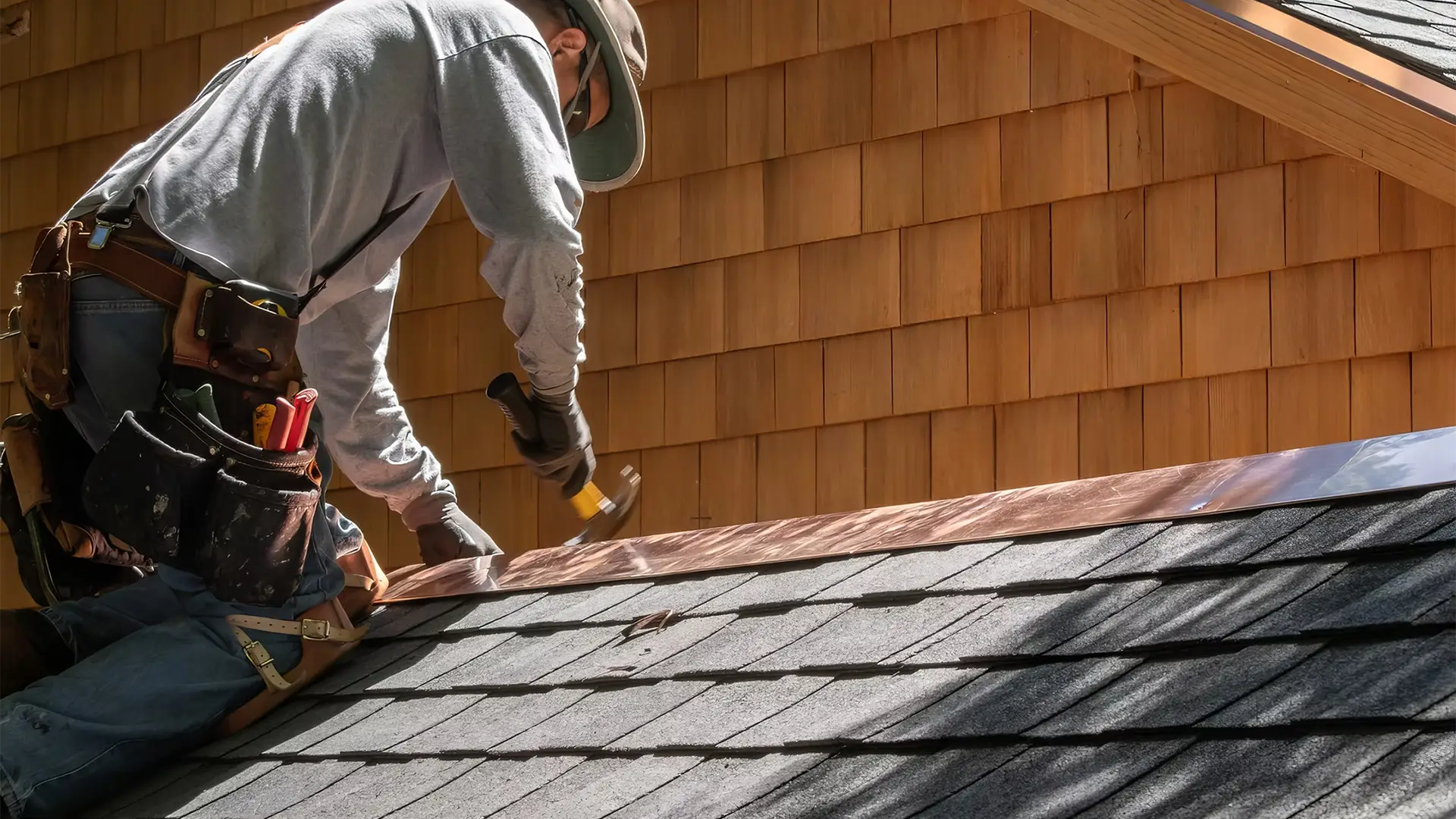
Damage near the roof edge may involve more than the siding. Our soffit damage guide explains how roof-edge ventilation, trim and pest entry fit together. For stains or openings near a window, see our window flashing and siding leak guide. Preserve necessary ventilation and restore flashing and drainage paths when adjacent components are disturbed.
Older homes need extra care. If siding or an old coating could contain asbestos or lead, do not sand, cut or disturb it until the material and applicable handling requirements have been assessed by qualified professionals. Tell the contractor what you know about the home’s age and previous renovations.
Choose the Scope
Patch, replace a section, or plan a larger repair?
Localized repair
Small damage in otherwise sound wood may be repairable with compatible exterior materials and a suitable finish. The method depends on hole depth, access, substrate and product instructions. Filling a surface does not fix wet or deteriorated material behind it.
Replace a board or section
A split, badly excavated or soft board may need replacement. The contractor should explain how the new piece joins adjacent siding and trim and how the water-control layers will be restored.
Repair the wall behind
Wet sheathing, damaged framing, compromised barrier or insect damage can expand the scope. Agree on photographs, measurements, pricing and approval before additional concealed work begins.
Consider broader siding work
Widespread damage, repeated repairs, aging material or a difficult match may make an elevation or full replacement worth comparing. A single hole does not automatically require recladding the whole house.
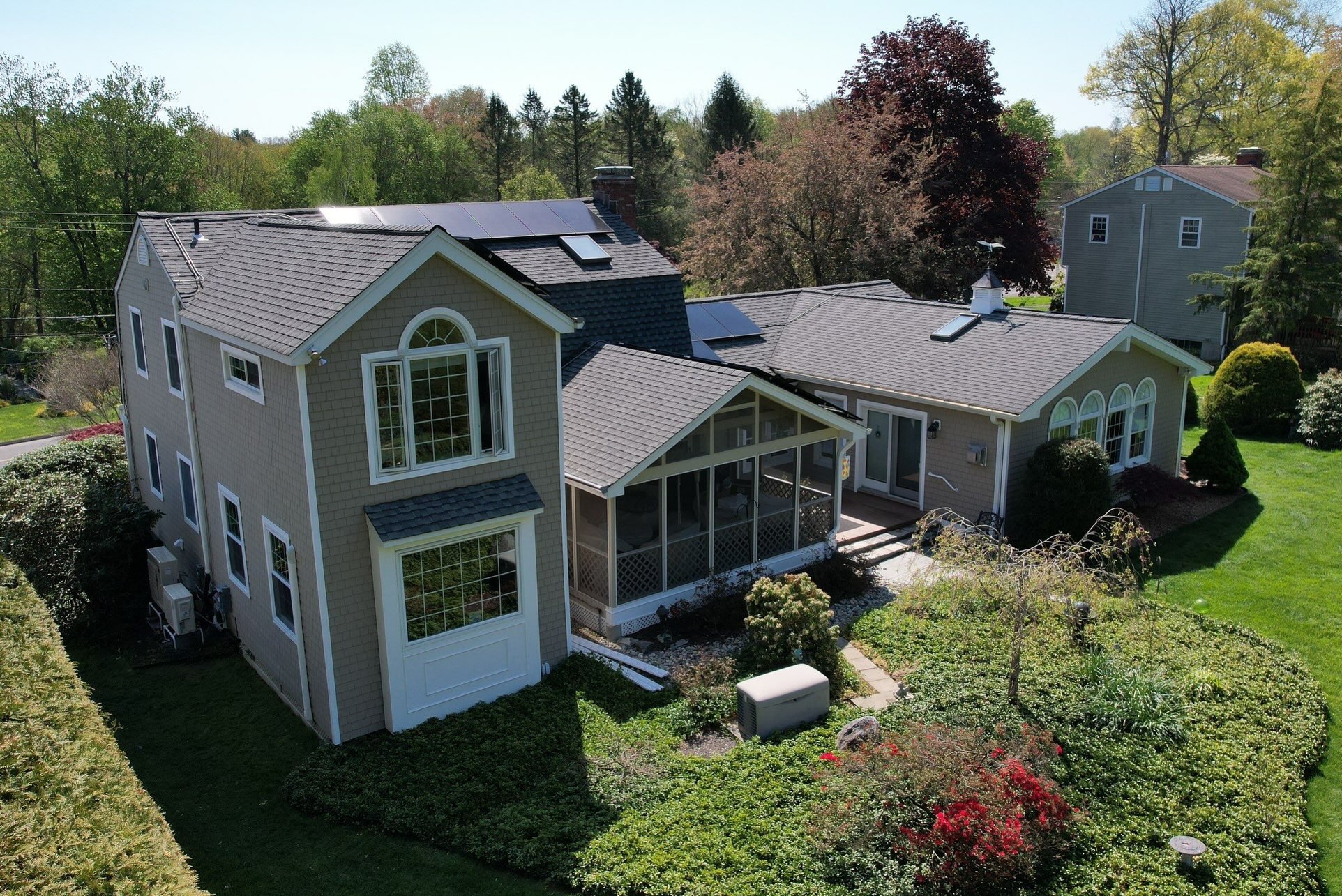
Color, texture, profile and weathering affect the appearance of a repair. Even a matching product can look different next to siding that has spent years in the sun. Ask for a realistic finish and color expectation, whether painting is included, and how far the work must extend for a consistent result.
For a larger decision, compare the condition of the wall, budget, maintenance and project timing in our siding repair versus replacement guide. Our James Hardie siding guide discusses one replacement material and the wall preparation that goes with it. No siding choice is a guarantee against all future damage.
Reduce Repeat Damage
Pair the repair with a humane prevention plan.
Birds may return to an attractive site, so ask what can be done at the specific location after any active nesting issue is resolved. DEEP discusses properly installed bird netting and protective metal or vinyl coverings for recurring damage, along with visual deterrents. Their effectiveness depends on the location and installation. A siding or wildlife professional can help select a suitable approach without obstructing ventilation or trapping animals.
Protective flashing or coverings should be integrated with the exterior so they shed water and do not create a new moisture trap. Ask how the material will be attached, how edges and penetrations will be finished, and who will maintain or remove the protection. Avoid relying on an ornament alone; DEEP notes that birds can become accustomed to stationary model owls.
If foraging or moisture evidence is present, address the underlying condition with the appropriate professional. Do not treat the entire wall for insects merely because a bird visited it. Keep photographs and monitor the repaired area from the ground over time, especially during periods when activity returns. Report new openings early so the wall can be evaluated before rain or animals make the repair more complicated.
Woodpeckers are protected birds. DEEP says lethal removal requires a federal permit; contact the agency for guidance instead of attempting to harm or trap a bird. If a cavity may contain an active nest, let the wildlife professional determine the lawful timing and method of any exclusion.
Compare Proposals
What should a siding repair quote include?
Location and access
Identify every affected area, access equipment, property protection and who handles the wildlife assessment.
Work behind the siding
List the intended opening, weather barrier, flashing, sheathing and drying work. Explain how unknown conditions will be approved and priced.
Materials and finish
Name the siding or repair material, profile, color, finish, expected match and transition to adjacent trim.
Prevention and closeout
Describe any agreed protective detail, cleanup, photos, warranty terms and maintenance. Confirm whether painting, pest work or wildlife services are separate.
Ask when the home will be weather-tight and what happens if rain interrupts work. If the damage involves insurance, retain photos and ask your insurer about your own policy and documentation requirements. Coverage depends on the facts and the policy; do not assume that bird or water damage is covered.
Frequently Asked Questions
Questions about woodpecker holes in siding.
Do woodpecker holes always mean there are insects in the wall?
No. Woodpeckers may drum, excavate a cavity, or forage. Insect activity is one possibility, so have evidence evaluated instead of assuming an infestation.
Can I seal a hole if a bird is using it?
Do not trap a bird or close an active nest inside a wall. Contact Connecticut DEEP or a qualified wildlife professional for guidance before exclusion or repairs.
Can a small hole in wood siding be repaired?
Sometimes. Sound wood with limited damage may accept a compatible exterior repair. The contractor should check the surrounding material and wall behind it before choosing a method.
Does woodpecker damage mean I need all new siding?
Not necessarily. A board or small section may be repairable or replaceable. Wider damage, moisture, or an obsolete material may change the scope.
Will replacement siding prevent all future bird damage?
No material or deterrent guarantees that birds will never return. Ask about appropriate materials, protective details, maintenance, and humane deterrents for the location.
Who should inspect a hole near a soffit?
An exterior contractor can assess the siding, soffit, trim and water-management details. Involve a wildlife professional when birds or an active nest may be present and a pest professional when insect evidence warrants it.
Get Help
Make a clear plan for your exterior.
Ellis Builders can assess accessible siding and connected exterior conditions, discuss the repair scope, and coordinate around the wildlife guidance your situation requires.
Ellis Builders
Siding help from Southbury, Connecticut
Ellis Builders is located at 238 Reservoir Rd, Southbury, CT 06488. Explore our siding services or contact us to discuss your exterior.