

Connecticut Homeowner Guide
Roof Leak Near Solar Panels in Connecticut: What Homeowners Should Do
A stain below an array needs a careful look at the roof, the mounting details, and the path water may have taken. Here is how to protect your home and get the right people involved.
A roof leak near solar panels does not automatically mean the panels caused it. Rain can enter above an array, follow roof decking or framing, and appear some distance from the opening. A mounting attachment, a conduit penetration, damaged roofing, flashing, or a separate moisture issue may all need consideration.
Whether you noticed a fresh ceiling stain after a Connecticut storm or a recurring drip beneath an older array, the immediate goal is to protect the home and preserve evidence. Then a roofer and a qualified solar professional can determine what is accessible, what needs testing, and whether any equipment must be moved.
Ellis Builders provides roofing services for Connecticut homeowners. This guide explains the questions to ask as you arrange an inspection and coordinate any solar work with the appropriate provider.
First Steps
Protect the area and record what you see.
Stay clear of electricity
Water near wiring, a light, an inverter, a battery, or other electrical equipment can create a shock hazard. Keep people away and contact a qualified electrician or emergency services when appropriate. Do not touch wet equipment or wiring.
Protect the room
If safe, move belongings and place a container under an active drip. Keep clear of a bulging or sagging ceiling and obtain professional help. Do not climb onto the roof or enter an unsafe attic.
Capture the evidence
Photograph the stain and any visible water from a safe position. Record the date, weather, room, severity, and whether the problem appeared during wind-driven rain, snowmelt, or a plumbing event.
Call the right people
Notify the solar installer or system owner and arrange a roofing assessment. If the equipment is leased or covered by a power purchase agreement, contact the company identified in your contract before equipment is moved.
Do not loosen panels, unplug connectors, apply sealant around electrical equipment, or assume that operating a switch makes the array safe to handle. Solar equipment can remain electrically hazardous. A qualified solar professional should decide how to make the system safe for the work. Our storm damage inspection guide offers additional ways to organize photographs and observations.
Find the Path
What could be causing water near the array?
| Possible source | What an inspection may consider | Why it matters |
|---|---|---|
| Mounting attachments | Attachment locations, flashing, roof integration, and signs of movement or previous repair | A detail can be concealed beneath equipment and may require coordinated access. |
| Conduit or other penetrations | Entry points, flashings, and water paths around the roof and adjoining surfaces | The visible stain may not align with the opening. |
| Roof or flashing uphill | Shingles, valleys, vents, wall intersections, and other features above the stain | Water can travel along the roof or framing before appearing indoors. |
| Condensation or another source | Attic moisture, exhaust ducts, plumbing, and timing of the stain | A wet ceiling alone does not establish a roof penetration leak. |
A stain that begins after installation is valuable evidence, but timing alone does not identify the source. Similarly, a dry spot during a brief inspection does not rule out a leak that occurs only in a particular wind or rain. Share earlier roof and installation photos, invoices, and records of when each symptom appeared.
If the mark appears during cold weather without a clear connection to rain, ask about indoor moisture as well. Our roof leak or attic condensation guide explains the different clues. A roof-wall or chimney detail may also be involved; see the chimney flashing guide for that separate investigation.
A Thorough Inspection
Look beyond the spot on the ceiling.
Start by showing the contractor the affected room and the records you have collected. When accessible and safe, an attic inspection may reveal a water trail on sheathing or framing, damp insulation, staining around a penetration, or moisture from an entirely different source. The contractor should also evaluate the roof plane and details above and around the array, within the limits of safe access.
Panels can obscure roofing and attachment points. Ask the roofing and solar providers what they can reasonably assess with the equipment in place, what remains concealed, and whether selective removal is needed to reach a reliable conclusion. A written report should distinguish observed conditions from suspected causes and explain any limitations. Testing or opening concealed areas may be appropriate, but the method and responsibility should be agreed before work starts.
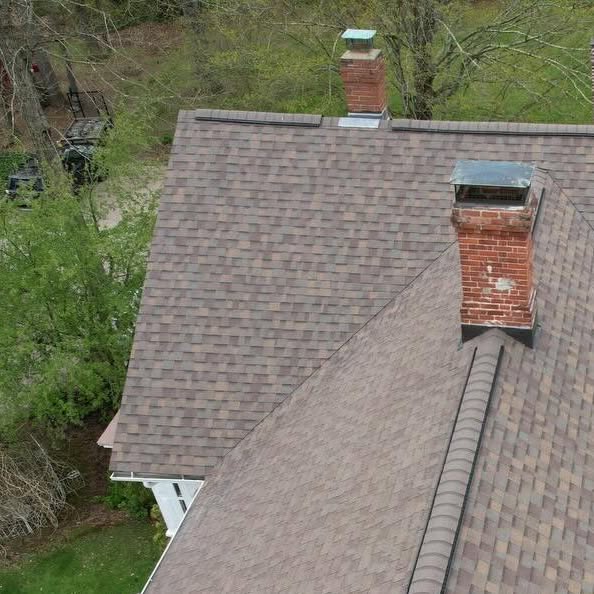
Request photographs of the relevant roof area and any conditions uncovered during the repair. If sheathing is wet or deteriorated, ask how its condition will be assessed and what will happen if the affected area extends farther than expected. Our roof decking replacement guide describes the decisions that may arise when damage is hidden beneath shingles.
The U.S. Department of Energy’s solar system weather and maintenance guide identifies electrical and fall hazards and calls for qualified professionals when roof damage requires repair. For your home, the inspection and safety plan should match the actual roof and equipment.
Repair Decisions
Match the scope to the evidence and access.
Repair away from the array
If the source is accessible elsewhere, the roofer may be able to correct it without disturbing the panels. Confirm clear access and protect nearby equipment during the work.
Work near an attachment
A mounting or flashing detail may require a solar professional to remove selected components so the roofer can inspect and repair the roof assembly. Agree who will reinstall and test the equipment.
Wider roof damage
Multiple defects, extensive wet decking, or an aging roof may warrant a larger repair or replacement discussion. Ask for the condition evidence and alternatives rather than deciding from the stain alone.
Interior restoration
Drying insulation, repairing a ceiling, painting, and electrical evaluation may involve different trades. Confirm who is responsible and avoid closing wet materials into a cavity.
A surface patch may not address a concealed or improperly integrated roof detail. The proposed repair should identify the materials, location, access, and how the roofing and flashing will work together. Follow the applicable product instructions and have qualified trades handle their own systems. If weather requires temporary protection, ask who will install and monitor it without damaging the roof or solar equipment.
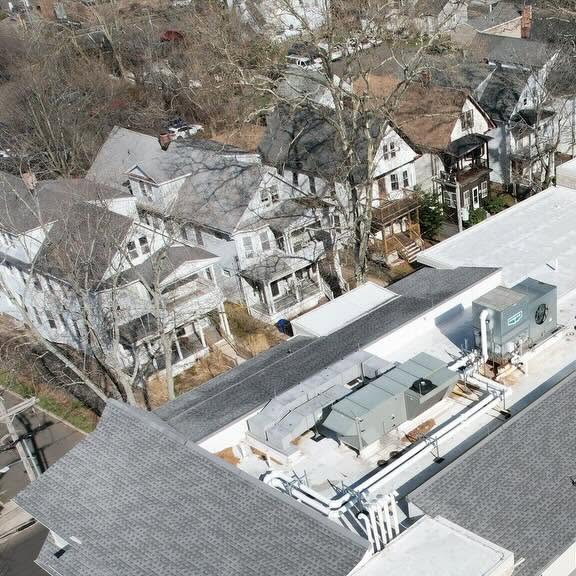
For a full roof replacement under an array, the U.S. Department of Energy explains that panels and mounting equipment need to be removed to complete the work. A small repair may require much less access. Your providers should decide the appropriate extent after inspection.
Plan Together
Put responsibilities, timing, and costs in writing.
System ownership and approval
Find the installer, equipment owner, contract, and warranty contacts. Ask who is authorized to disconnect, remove, store, reinstall, and test the system.
Scope and access
Identify the area to be opened, how much equipment must move, how the roof will be protected, and who will document existing conditions before removal.
Schedule and weather
Coordinate solar removal, roofing work, any inspection, and reinstallation. Ask how the home and equipment will be protected if rain delays the sequence.
Price and hidden conditions
Compare separate costs for diagnosis, solar work, roofing, damaged decking, interior repairs, permits if required, and any testing. Agree how concealed damage will be approved before additional work.
Closeout
Request completed-work photographs, invoices, warranty terms, and confirmation from the qualified solar provider that the system has been checked and returned to service.
Keep copies of the roofing and solar agreements, correspondence, photos, and any monitoring records together. Ask each provider whether the proposed work affects an existing warranty and who will handle a future issue at the roof-to-array interface. A warranty is only as useful as its actual terms: do not assume one company covers another company’s work.
If you intend to contact your insurer, document the damage and ask about your policy’s reporting and mitigation requirements. Coverage and responsibility depend on the cause, contracts, and policy. Connecticut’s Department of Consumer Protection offers guidance on checking roofing contractor registration and avoiding storm-related scams.
After work is complete, monitor the affected room during later weather events when safe. Record any recurring moisture and share the date and conditions with the responsible providers. One dry day does not reproduce every wind-driven rain or snowmelt condition, so retain the closeout records for future reference.
Frequently Asked Questions
Questions about leaks near solar panels.
Do solar panels always cause a leak underneath them?
No. Water can travel from another roof detail or the wall, and condensation can resemble a leak. An inspection is needed to identify the entry path.
Should I touch or disconnect solar equipment if the roof leaks?
No. Stay clear of wet electrical equipment and wiring. Contact the solar provider and a qualified electrician when electrical equipment may be affected.
Do all panels need to come off for a roof repair?
Not always. Access depends on the location and extent of the work. A qualified solar professional and roofer can determine whether no removal, partial removal, or full removal is needed.
Who pays for the repair?
Responsibility depends on the cause, the agreements, warranties, and insurance terms. Document the evidence and ask each provider and your insurer about the applicable process.
Can a roof be replaced with panels in place?
Roof replacement beneath an array generally requires removal of the panels and mounting system. The solar and roofing contractors should coordinate removal, roofing, and reinstallation.
Will a leak near solar panels mean I need a new roof?
Not necessarily. The right scope depends on the roof condition, the source of water, and any concealed damage. A localized repair may be possible after inspection.
Get Help
Start with a clear roofing assessment.
Ellis Builders can evaluate accessible roof conditions, review your photos, and discuss a roofing plan that coordinates with your solar provider when equipment access is needed.
Ellis Builders
Roofing help from Southbury, Connecticut
Visit Ellis Builders at 238 Reservoir Rd, Southbury, CT 06488. Explore our roofing services or contact us to discuss your roof.