
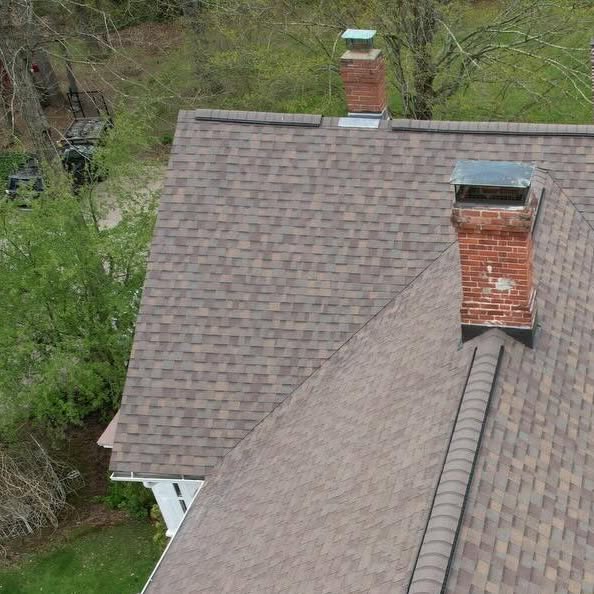
Connecticut Roof Replacement Details
Roof Edge Details in Connecticut: Ice and Water Shield, Drip Edge, Gutters, and Quote Questions
A roof replacement quote can name a shingle brand and still leave the most leak-prone parts vague. In Connecticut, the roof edge deserves a clear plan for ice and water shield, drip edge, starter shingles, gutters, fascia, ventilation, and flashing.
Many Connecticut roof pages talk about shingle color, storm damage, or price. Fewer help homeowners read the part of a roof quote that protects the first few feet of roof deck, the fascia line, the gutter edge, and the places where ice, wind-driven rain, and clogged gutters can push water backward.
This guide explains roof edge details in Connecticut in plain language so you can ask better questions before approving a roof replacement or leak repair.
Why the Roof Edge Matters
The perimeter is where small shortcuts become expensive leaks.
Ice and meltwater start at the eave
Snow often melts higher on the roof and refreezes near the colder overhang. That makes the eave one of the first places to protect during replacement.
Rain needs a clean path
Water should leave the shingle, cross the edge metal, and enter the gutter without soaking fascia, trim, soffits, or siding.
Wind tests the first course
The starter course and edge fastening help the lower shingle rows resist lift, especially during Connecticut storms and nor’easters.
Parts of the System
Ask for the roof edge by component, not as a vague allowance.
For related weak points, review Ellis Builders’ guides to chimney flashing leaks, pipe boot leaks, skylight leak replacement, and roof decking replacement.
Gutters, Fascia, and Soffits
The best roof edge still needs a place to drain.
Drip edge and starter shingles help control water at the roof perimeter, but gutters decide where that water goes next. If the gutter is loose, undersized, clogged, pitched wrong, or pulling away from damaged fascia, roof-edge water can still reach trim, soffits, siding, and the foundation.
During a roof replacement, ask whether the contractor will inspect fascia boards, gutter attachment, downspout locations, and roof-to-gutter alignment. Ellis Builders handles Connecticut gutter work as part of exterior water-management planning.
Code, Manufacturer Instructions, and Local Inspection
A good quote should respect both code and product requirements.
Connecticut roof work is not just a cosmetic project. Local building departments, current residential code requirements, and manufacturer instructions can affect ice barrier placement, drip edge, fasteners, slope limits, ventilation, and inspection expectations.
You do not need to memorize the code. You do need a contractor who can explain what is included, what the local building official expects, and what details protect the warranty on the specific shingle system being installed.
Comparison Table
Use this table when reviewing a roof replacement quote.
| Detail | What to ask | Why it matters | Watch for |
|---|---|---|---|
| Ice and water shield | Where will it be installed and how far will it extend? | It helps protect vulnerable roof deck areas from backed-up water. | Vague wording like “standard underlayment” with no edge or valley detail. |
| Drip edge | Is new drip edge included at eaves and rakes? | It helps direct water off the roof edge and away from fascia. | Reuse of damaged metal or no mention of rake edges. |
| Starter course | What starter product will be used? | The lower course helps seal and resist wind lift. | Quotes that name shingles but not starter material. |
| Gutters and fascia | Will fascia and gutter attachment be inspected before final roof-edge work? | Loose gutters and rotten fascia can defeat good roof-edge details. | Roof-only quotes that ignore visible gutter or trim problems. |
| Flashing transitions | How are chimneys, walls, valleys, skylights, and pipe boots handled? | Most roof leaks happen at transitions, not in the middle of a clean shingle field. | Old flashing left in place without a clear reason. |
Quote Checklist
Before you approve the roof, confirm these roof-edge details in writing.
- New drip edge at eaves and rake edges
- Ice and water shield locations and extension
- Valley membrane and valley flashing method
- Starter shingle product or starter course method
- Pipe boots, chimney flashing, wall flashing, and skylight flashing
- Decking replacement unit pricing before hidden work starts
- Fascia, soffit, gutter, and downspout conditions noted
- Ventilation changes and intake/exhaust balance
- Cleanup, magnet sweep, disposal, and warranty language
- Photos of hidden damage before repairs are covered
For pricing context, compare the roof-edge scope with Ellis Builders’ Connecticut roof replacement cost guide, roof ventilation guide, and gutter replacement guide.
When to Act
Roof-edge problems often show up before the whole roof fails.
Stains near outside walls
Ceiling stains near exterior walls can point to eave, ice, flashing, ventilation, or gutter problems.
Rotten fascia or soffits
Soft trim at the gutter line can mean water is missing the gutter or moving behind the roof edge.
Heavy granules in gutters
Granules can indicate shingle wear or storm impact and should be considered with roof age and visible condition.
If the edge issue appeared after recent weather, Ellis Builders’ storm damage roof inspection guide explains how to document roof, gutter, siding, and attic symptoms.
FAQ
Roof edge and ice and water shield questions in Connecticut.
Is ice and water shield the same as regular underlayment?
No. Ice and water shield is a self-adhering membrane used in vulnerable locations. Standard underlayment covers broader roof areas but does not perform the same job at eaves, valleys, and transitions.
Should drip edge be replaced during a roof replacement?
In most roof replacements, new drip edge should be part of the scope, especially if existing metal is bent, corroded, short, missing, or poorly aligned with the gutter.
Can gutters cause roof-edge leaks?
Yes. Clogged, loose, undersized, or mispitched gutters can hold water at the fascia and roof edge. That can damage trim, soffits, siding, and roof decking over time.
Does more ice and water shield always mean a better roof?
Not automatically. Placement, ventilation, deck condition, product compatibility, and manufacturer instructions all matter. Ask why the contractor recommends a specific coverage area.
What is the biggest roof quote red flag?
A quote that only names the shingle and total price. Homeowners should also see underlayment, edge metal, starter, flashing, ventilation, decking, cleanup, and warranty details.
Does Ellis Builders inspect gutters and roof edges together?
Yes. Ellis Builders can review roofing, gutters, fascia, soffits, flashing, attic ventilation, and related exterior water-management details for Connecticut homeowners.
Next Step
Get the roof edge, gutters, and flashing reviewed before the work starts.
Ellis Builders helps Connecticut homeowners plan roof replacement and repair scopes that address shingles, underlayment, drip edge, gutters, fascia, ventilation, flashing, and hidden decking conditions together.
Local Roofing Contractor
Ellis Builders in Southbury, CT
Ellis Builders is based in Southbury and serves homeowners across New Haven County, Litchfield County, Fairfield County, and surrounding Connecticut communities.
Start with Connecticut roofing services, review gutter services, or use the contact page.

Join the discussion One Comment