
Connecticut Low-Slope Roof Guide
Low-Slope Roofs in Connecticut: Porch, Sunroom, Garage, and Flat-Roof Leak Decisions
Some of the most stubborn Connecticut roof leaks do not start on the main roof. They start on a porch, sunroom, garage, dormer, shed roof, or flat section where water moves slowly and ordinary shingles are being asked to do the wrong job.
A low-slope roof in Connecticut needs more than a quick patch and a tube of sealant. Snow, wind-driven rain, freeze-thaw cycles, tree shade, clogged gutters, and wall intersections can all keep water sitting longer than it should.
This guide is for homeowners trying to understand why a porch roof keeps leaking, why shingles may not be the right material on a flatter section, and what should be included before approving a low-slope roof repair or replacement.
What Counts as Low Slope
Low-slope roof decisions start with pitch, not appearance.
Porch and entry roofs
Small roof sections over front entries, covered patios, and porches often drain more slowly than the main roof.
Sunrooms and additions
Additions can create shallow roof planes and tricky wall tie-ins where water collects at siding, trim, or flashing.
Garages and flat sections
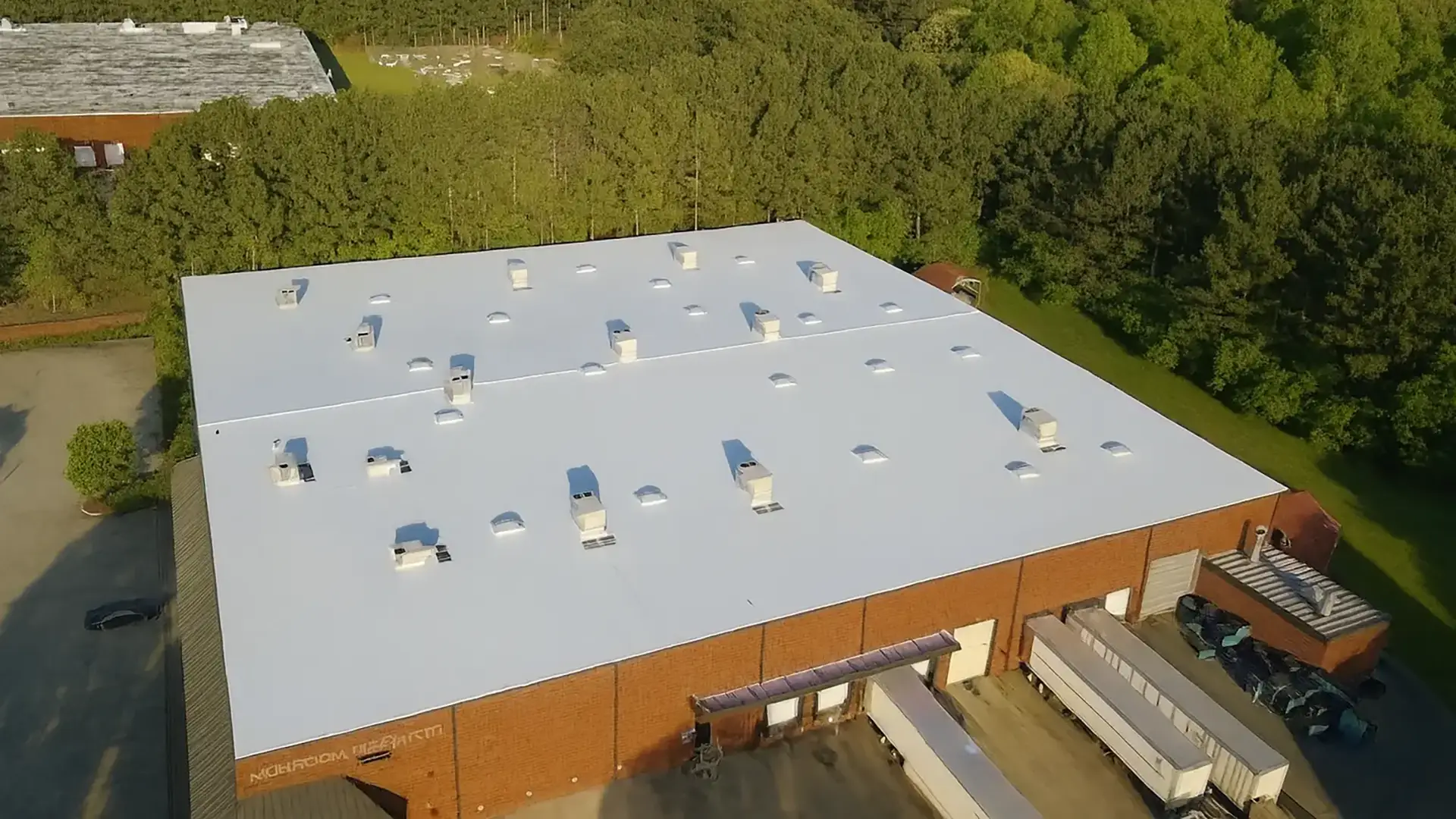
Garage, dormer, and commercial-style flat roof sections may need membrane roofing rather than ordinary shingles.
A visual guess is not enough. Ask the contractor to measure the roof pitch, explain the material options that fit that slope, and show how water will leave the roof after heavy rain or snowmelt.
Shingle Limits
Asphalt shingles are not a universal answer for flatter roofs.
Manufacturers generally treat low-slope asphalt shingle work differently than standard-slope work, and many shingle instructions draw a hard line below a minimum pitch. On roof sections below that line, a membrane-style low-slope system may be the better conversation.
For neighboring issues that can look like a low-slope leak, review Ellis Builders’ guides to chimney flashing leaks, pipe boot leaks, skylight leaks, and roof decking replacement.
Main Roof Tie-Ins
The transition between roof types is often the real leak point.
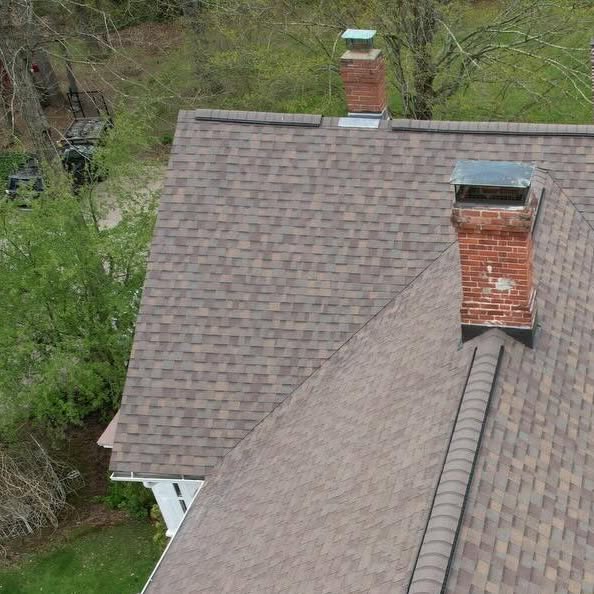
Many Connecticut homes combine a steeper asphalt-shingle roof with a flatter porch, addition, garage, or dormer roof. The leak may appear on the low-slope section, but the failure can be at the wall, valley, step flashing, roof-to-roof transition, or the edge where different materials meet.
A good repair plan should explain how the low-slope material turns up the wall, how it tucks under siding or counterflashing, how it integrates with shingles above it, and how the edge drains without soaking trim.
Drainage and Edges
Low-slope roof leaks often start where water has nowhere clean to go.
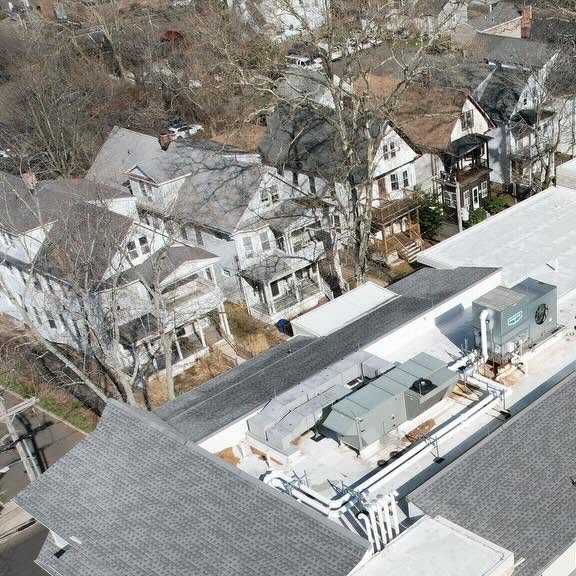
Look for ponding water, dark algae bands, blistered patches, soft decking, loose edge metal, clogged gutters, and water stains below fascia or siding. If a roof is nearly flat, even a small dip in the deck can hold water long enough to stress seams and edges.
Ellis Builders handles Connecticut gutter work, roofing, siding, and exterior repairs, so the inspection can connect roof drainage with the surrounding trim and wall system.
Repair or Replace
Use the leak pattern to choose the right scope.
| What you see | Possible cause | What to ask | Likely next step |
|---|---|---|---|
| One isolated puncture or tear | Branch impact, fastener issue, or localized membrane damage | Can this be repaired without trapping water under the patch? | Targeted repair may be reasonable if the roof is otherwise sound |
| Repeated leaks near a wall | Bad flashing, poor turn-up, siding conflict, or roof-to-wall movement | Will the repair include siding, counterflashing, and wall transition details? | Flashing rebuild or broader replacement may be needed |
| Water sitting after rain | Low spot, blocked drainage, sagging deck, or bad slope | How will drainage be corrected before new roofing goes on? | Deck, edge, gutter, or drainage correction before resurfacing |
| Shingles on a very flat section | Wrong material for the slope or missing low-slope details | Is this roof pitch within the shingle manufacturer’s instructions? | Discuss membrane-style low-slope roofing options |
| Soft spots or interior staining | Wet decking, trapped moisture, insulation damage, or long-term leakage | How will hidden decking replacement be priced and documented? | Open, inspect, and repair substrate before closing the roof |
Quote Checklist
Before approving low-slope roof work, get these details in writing.
- Measured roof pitch for the affected section
- Material system recommended for that pitch
- Existing roof tear-off or recover plan
- Decking inspection and replacement unit pricing
- Wall, siding, and counterflashing details
- Edge metal, fascia, gutter, and downspout plan
- Seam, penetration, skylight, and vent treatment
- Drainage correction for any ponding area
- Manufacturer instructions and warranty language
- Photo documentation before covered work is closed
For related planning, compare the low-slope scope with Ellis Builders’ Connecticut roof replacement cost guide, roof edge detail guide, and gutter replacement guide.
When to Schedule an Inspection
Do not wait for a small low-slope leak to become a hidden decking problem.
After heavy rain
If a porch or sunroom ceiling stains after wind-driven rain, the issue may be flashing, wall transition, or slow drainage.
After snow and thaw cycles
Low-slope sections can hold snow longer, then shed meltwater slowly toward edges, seams, and wall tie-ins.
Before exterior remodeling
If siding, gutters, trim, or decking work is planned, it is smart to inspect nearby low-slope roof areas first.
If the leak followed recent weather, Ellis Builders’ storm damage roof inspection guide explains how to document roofing, gutter, siding, attic, and interior symptoms.
FAQ
Low-slope roof questions from Connecticut homeowners.
Can asphalt shingles go on a low-slope roof?
Sometimes, but only within the manufacturer’s slope limits and application instructions. If the roof is too flat, a low-slope membrane-style system is usually the better discussion.
Why does my porch roof leak but the main roof looks fine?
Porch roofs often have lower pitch, slower drainage, wall transitions, and edge details that behave differently than the main roof. The leak may be at a tie-in instead of the open roof field.
Is patching a flat roof a good idea?
A targeted patch can make sense for isolated damage on a sound roof. Repeated patches, ponding water, soft decking, or wall-transition leaks usually need a broader diagnosis.
Should gutters be inspected with a low-slope roof?
Yes. Low-slope sections depend on clean drainage. Loose gutters, clogged downspouts, rotten fascia, or poor edge alignment can keep water where it does damage.
What is the biggest quote red flag?
A quote that says “repair flat roof” or “replace shingles” without measuring pitch, naming the material system, describing drainage, and explaining wall or edge details.
Does Ellis Builders inspect low-slope roof tie-ins?
Yes. Ellis Builders can review roofing, gutters, fascia, siding, flashing, roof edges, and related exterior details for Connecticut homeowners.
Next Step
Get the low-slope section inspected before another patch hides the cause.
Ellis Builders helps Connecticut homeowners evaluate roof slope, drainage, flashing, decking, gutter alignment, and exterior tie-ins before choosing a repair or replacement scope.
Local Roofing Contractor
Ellis Builders in Southbury, CT
Ellis Builders is based in Southbury and serves homeowners across New Haven County, Litchfield County, Fairfield County, and surrounding Connecticut communities.
Start with Connecticut roofing services, review gutter services, or use the contact page.