

Connecticut Roof Leak Diagnosis
Roof Leak or Attic Condensation in Connecticut? How to Tell What Is Really Happening
A ceiling stain is not always a simple shingle leak. In Connecticut homes, the same stain can come from storm damage, pipe boots, flashing, skylights, ice-dam history, clogged drainage, attic condensation, or a ventilation problem that starts under the roof deck.
If you are trying to decide whether a Connecticut ceiling stain is a roof leak or attic condensation, start with the pattern. When did it appear, what was the weather doing, where is it located, and what does the attic show above it?
The safest answer is not to guess from the stain alone. A small brown mark can be the end of a long water path. It can also be melted frost from the underside of the roof deck after a cold night. The right repair depends on identifying whether water is entering from outside, forming inside the attic, or moving through a connected exterior detail.
First Checks
What to do before anyone climbs onto the roof.
Protect the room
Move furniture, catch active drips, photograph the stain, and note the date, weather, wind direction, and whether snow or ice was on the roof.
Check the attic safely
From safe flooring only, look for wet insulation, dark roof decking, frost on nail tips, moldy sheathing, daylight, or a drip path near a penetration.
Do not chase the stain blindly
Water can travel along rafters, underlayment, wiring, pipes, and insulation before it appears on drywall. The source may not be directly above the mark.
If water is actively entering during rain, call for help promptly. If the stain appears after cold nights without rain, attic moisture and ventilation deserve a closer look before assuming the roof covering has failed.
Pattern Recognition
The timing often tells you where to look first.
| What you notice | Likely direction | What to inspect | Why it matters |
|---|---|---|---|
| Drips during rain or wind-driven rain | Roof-side leak | Shingles, flashing, pipe boots, chimney, skylight, valley, and siding transitions | Water is probably entering from outside and following a path indoors. |
| Stain grows after a cold night with no precipitation | Attic condensation | Frost on nails, damp sheathing, bathroom fans, attic air leaks, insulation, intake and exhaust ventilation | Warm indoor air may be reaching cold roof surfaces and condensing. |
| Stain appears near an exterior wall after snow | Ice-dam or roof-edge issue | Eaves, gutters, ice and water shield area, soffits, insulation gaps, and ventilation balance | Meltwater can back up at the roof edge and show up away from the center of the attic. |
| Spot below a bathroom, kitchen, or plumbing stack area | Penetration or interior source | Pipe boot, vent stack, bath fan duct, plumbing, and ceiling cavity | Not every stain is a shingle leak; penetrations and interior lines need to be ruled out. |
| Musty attic smell or widespread dark sheathing | Moisture management issue | Air sealing, insulation, ventilation, exhaust fan routing, and prior leak history | Widespread moisture usually needs a system fix, not only a patch. |
Roof-Side Causes
Active leaks often start at details, not in the open field of shingles.
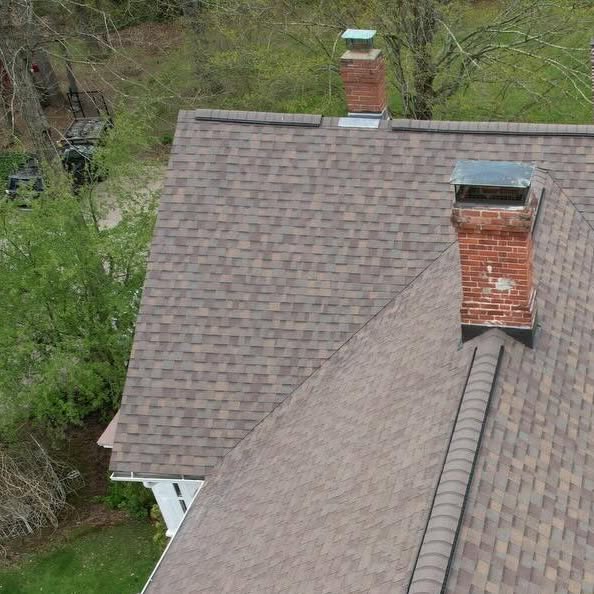
Missing or lifted shingles can leak, but many stubborn stains come from roof transitions: a cracked pipe boot, a skylight curb, chimney flashing, a valley, a dormer sidewall, or a roof edge where water is not draining cleanly.
That is why a repair inspection should include the whole water path. Review Ellis Builders’ guides to pipe boot leaks in Connecticut, chimney flashing leaks, skylight leak decisions, and roof edge and ice and water shield details.
Attic Moisture
Condensation can look like a roof leak from inside the room.
Attic condensation happens when warm, moisture-laden air from the living space reaches colder attic surfaces. In winter, that can show up as frost on nail tips or roof sheathing. When conditions change, the frost can melt and drip onto insulation or drywall. In summer, humid air, bathroom fans that do not vent outdoors, blocked soffits, or poor air sealing can keep the attic damp.
ENERGY STAR notes that attic air sealing and insulation help reduce air leaks and can help with ice-dam risk, and the Building America Solution Center describes condensation control as a mix of limiting air leakage, reducing indoor humidity, and using good roof ventilation. Useful homeowner references include ENERGY STAR attic air sealing, ENERGY STAR attic insulation, and Building America condensation control guidance.

Connected Exterior Details
A stain may involve the gutter line, siding, soffit, or attic airflow.
Roof leaks are rarely isolated from the rest of the exterior. A backed-up gutter can wet fascia and soffits. Ice at the eave can push water under shingles. Poor attic airflow can keep the underside of the roof damp. Siding and trim transitions can also let wind-driven rain move behind the wall before the stain appears inside.
Ellis Builders handles Connecticut roofing, gutter work, siding, and roof ventilation planning, so the inspection can consider the whole exterior system instead of treating the stain as a one-part problem.
Inspection Questions
Ask for a diagnosis that explains the evidence.
- Did the stain appear during rain, after snowmelt, or after a cold dry night?
- Is there wet insulation, dark decking, frost, mold, or daylight in the attic?
- Is the stain near a pipe boot, chimney, skylight, valley, dormer, or exterior wall?
- Are bathroom and kitchen exhaust fans vented outdoors?
- Are soffit vents open, or are they blocked by insulation or paint?
- Is the roof edge protected and draining into working gutters?
- Is there rotten decking that needs to be repaired before shingles are replaced?
- Can the contractor show photos of the likely source and the proposed fix?
- Does the repair affect warranty, ventilation, or future replacement planning?
- Should the issue be repaired now, monitored, or included in a larger roof scope?
For bigger project planning, compare the Connecticut roof replacement cost guide, roof decking replacement guide, and roof warranty checklist.
Repair Direction
The fix should match the source, not just the stain.
If it is a roof leak
The scope may include shingles, flashing, pipe boots, skylight details, valley work, roof-edge protection, underlayment, or decking repair.
If it is condensation
The scope may involve air sealing, bath fan routing, insulation corrections, soffit intake, ridge exhaust, baffles, or humidity control.
If it is both
Older Connecticut homes can have a roof-side leak and attic moisture at the same time. The inspection should separate the urgent leak from the moisture-management work.
FAQ
Connecticut roof leak and attic condensation questions.
How can I tell if a ceiling stain is a roof leak or condensation?
Look at timing and attic evidence. A stain that grows during rain points toward a leak. Moisture after cold dry nights, widespread attic frost, or damp sheathing may point toward condensation.
Can attic condensation damage roof decking?
Yes. Persistent attic moisture can wet insulation, darken sheathing, encourage mold growth, and contribute to wood deterioration if the source is not corrected.
Should I climb onto the roof to find a leak?
No. Use ground-level photos, room notes, and safe attic access if available. A roofing contractor should inspect roof surfaces, flashing, skylights, and penetrations.
Can a bathroom fan cause attic condensation?
Yes. A bathroom fan that vents into the attic can dump warm, moist air under the roof deck. Bathroom exhaust should be routed outdoors.
Can gutters cause a ceiling stain?
Gutters can contribute when clogged or failing drainage wets roof edges, fascia, soffits, siding, or ice-dam areas. They should be checked with roof-edge leaks.
When should I call Ellis Builders?
Call when a stain is active, recurring, near a roof penetration, tied to snow or storms, or paired with attic moisture. Ellis Builders can inspect the roof and connected exterior details.
Next Step
Do not repair the drywall before the source is clear.
Ellis Builders can inspect the roof, attic clues, roof edges, flashing, gutters, skylights, and ventilation conditions so the repair addresses the cause behind the stain.
Local Roofing Contractor
Ellis Builders in Southbury, CT
Ellis Builders is based at 238 Reservoir Rd in Southbury and serves homeowners across New Haven County, Litchfield County, Fairfield County, and surrounding Connecticut communities.
Start with Southbury roofing services, review Connecticut roofing services, or use the contact page.

Join the discussion 2 Comments